Inside the Story Series # 4: Building a Town That Doesn’t Exist - How Onoway, Spirit River, and Millet Helped Inspire Coverville
Please subscribe to my email newsletter for updates on my website and blog. You can do so in the sign-up block at the bottom of this page. Thank you!
This essay is the fourth in my new Inside the Story series, where I share the creative decisions, real-life influences, and writing philosophy behind my novels.
Where Is Coverville?
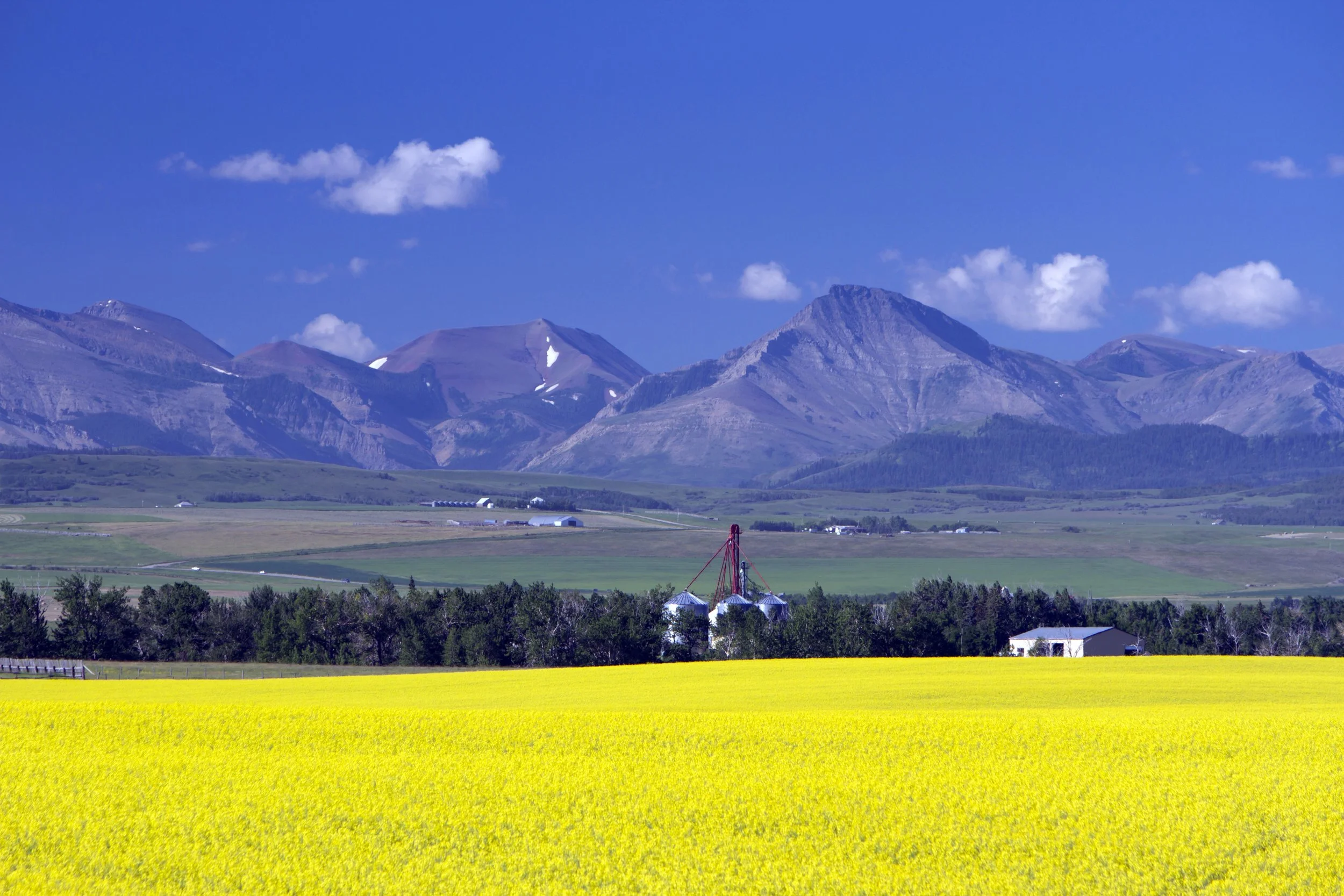
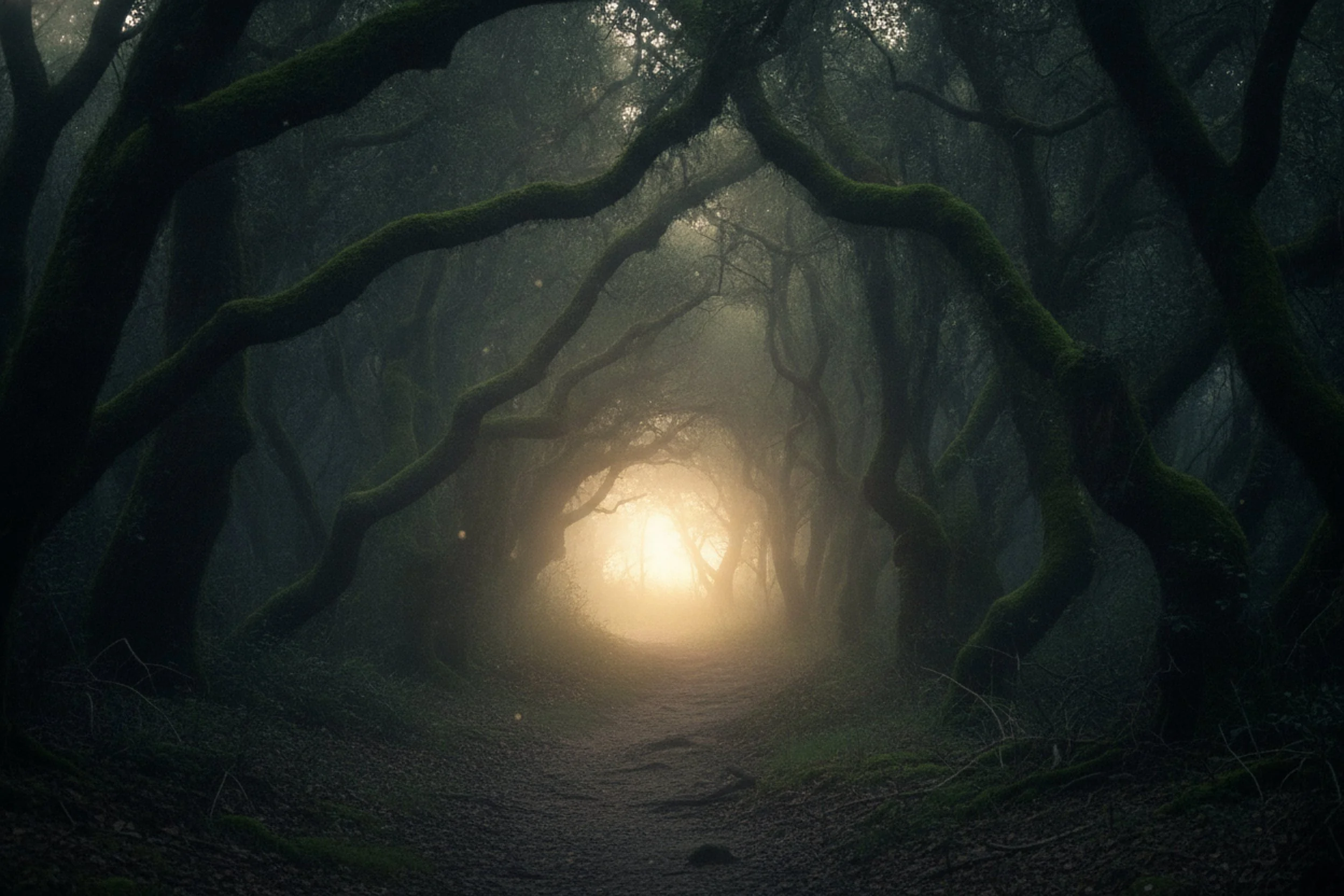
You can search Google Maps, unfold an Alberta road map, or follow the highways north of Edmonton, but you won’t find Coverville. Coverville is the fictional Alberta town I created for my novel, What Remains After. However, its feeling, its atmosphere, is not fictional. It grew out of the Alberta communities I’ve lived in, visited, and loved, particularly Onoway, Spirit River and Rycroft, and Millet.
Why I Invented Coverville
I invented a fictional locale rather than using a real-life town for three main reasons. First, I needed the freedom to shape the town’s geography around my story. It had to accommodate what I had plotted to happen. Second, I wanted Coverville to represent rural Alberta more broadly than any one community. Alberta is large and surprisingly diverse. Finally, I didn’t want my readers assuming the crimes, failures, or characters represented actual people in a real Alberta town.
Coverville is not Onoway with a false mustache.
The Real Alberta Behind an Imaginary Town
Onoway: Coverville’s First Shape
Onoway had the strongest influence on how I created Coverville because I lived there for almost four years, on and off. It was my home in the late 1980s and early 1990s. To me, Onoway represents the familiarity of faces I saw all the time, even if I didn’t know people’s names.
Onoway served the farming community around it, so town and country often overlapped. Life centered on institutions like schools, churches, the community league, and local businesses. Because it had fewer than a thousand people at the time, people knew one another, and their relationships were genuinely interconnected. This meant that news, both good and bad, traveled quickly. Family names and reputations mattered.
Onoway was a quiet, calm, lovely place to live. I’m grateful to have experienced life there and to have allowed it to influence how I constructed Coverville.
Spirit River: Memory, Family, and the Northern Prairie
Spirit River, Alberta, might not have provided the physical blueprint for Coverville, but it helped shape its emotional blueprint and my love for rural Alberta.
Some of Coverville’s roots reach northward from Onoway into Alberta’s Peace Country and my own childhood. My Baba and Gido lived on two adjoining farms near Spirit River and Rycroft, and my family would make the long drive from Edmonton at least once every summer to visit them.
Their farmhouse had no electricity or running water. A wood stove heated it, and oil or kerosene lamps lit it until electricity was eventually brought in. Baba cooked on an old wood stove, gathered water from a dugout and purified it herself, and raised cows and chickens. I helped feed the chickens and gathered eggs with her. I remember puttering around with Gido as he tended his beehives.
My older brother and I would walk about a mile down the dirt road to a beaver pond, where we’d sit quietly until a beaver appeared, spotted us, slapped its tail against the water, and disappeared again. After Gido died, Baba moved into a little bungalow in Spirit River. Then my father, her son, died of cancer in 1979, and I didn’t see Baba nearly as often. But those memories of her, the farm, and the stark, beautiful northern prairie stayed with me.
Years later, as I created Coverville for What Remains After, I wasn’t consciously recreating Spirit River or Rycroft. Coverville is fictional, but I had carried the emotional landscape of those places with me since childhood: dirt roads, farmyards, long distances between neighbors, small communities surrounded by miles of countryside, and an enormous Alberta sky that could make the landscape feel both beautiful and lonely. Rural life can create both community and isolation, an important tension in Beth and Otto’s story.
Coverville may not exist on a map, but some of its roots lie in my childhood summers in the Peace Country.
Millet: That Familiar Town Close to Home
Millet contributed to my more contemporary observations. While it has familiar small-town rhythms, it also shows older rural Alberta alongside newer development creeping in. Here, rural and urban Alberta edge closer together. The community is slowly changing without entirely losing its identity.
In many ways, Millet represents what Coverville is not. Millet is not afraid of the future; Coverville clings to the past.
How Three Communities Became One
I didn’t copy these towns street by street and simply rename them “Coverville.” I took their atmosphere, landscape, memories, and social patterns, then let the needs of What Remains After redraw the map.
Coverville needed enough isolation for Beth and Otto to be vulnerable, combined with enough community closeness for rumors and reputations to matter. Homes, roads, and distances had to be arranged so that they influenced who could see what, as well as the secrecy and danger within the story. Public places where community life intersected, such as the school, church, and tavern, needed to exist.
For the story to work, there also had to be a plausible distance from police, protective services, and other sources of help. A small town like Coverville wasn’t large enough to warrant its own RCMP detachment, so it had to share services with several other towns and villages. The landscape also needed enough distance and obstacles to serve as barriers.
Geography is not decorative. It creates pressure. Where people live, how far they must travel, and who can see their property all influence the story.
What Makes a Small Town Feel Real
A town isn’t just streets and buildings. It’s relationships, memory, and reputation. It’s a place where neighbors and friends deliver casseroles to people in crisis, where people watch each other from behind curtains, and where people remember what happened twenty years ago. They know which families have always lived there and where they belong within the community.
Small communities can offer extraordinary generosity, belonging, and practical help. But this closeness can also produce gossip, protected reputations, old grudges, secrets, and silence.
Real communities can contain both beauty and brokenness at the same address.
Coverville Belongs to the Novel
A place like Coverville draws on the warmth, familiarity, landscape, and complexity of several Alberta communities. Its darkest events, however, belong to the novel, not to the towns that inspired it.
Let me say plainly: Coverville is fictional, as are the characters, crimes, and events in What Remains After.
When Coverville Became Real to Me
I went from inventing Coverville to simply knowing it. I came to a point where I didn’t just know where Beth lived in a geographical sense. I knew it experientially. I knew which roads connected places in the novel. I knew which families knew one another. Eventually, I stopped asking myself what should be there and began feeling as though I already knew.
At first, I built Coverville. Eventually, Coverville began to tell me who belonged there, and why.
A Place Between Memory and Imagination
Coverville may not appear on any real-world map, but parts of it exist in the places I’ve known and loved. It carries Onoway’s small-town familiarity and structure, Spirit River and Rycroft’s connection to my family and sense of personal history, and Millet’s enduring rural character.
From there, my imagination took over. Coverville sprang from inspiration. It’s fictional, but the feeling is not.
Coverville became a place where I could explore what communities remember, what they conceal, whom they protect, and what happens when someone finally refuses to remain silent.
About What Remains After
Much of what has been explored in this essay emerged while writing my debut novel, What Remains After.
Note: What Remains After is a literary psychological suspense novel set in rural Alberta, exploring childhood trauma, faith, survival, truth-telling, and healing across two timelines. The novel is available now on Amazon in Canada and the United States. It’s also available online at Indigo and Barnes & Noble.
Blessings,
Pauline J. Grabia
Stories of Consequence
Fiction that faces the dark, but ends in light.
FAQs:
Is Coverville, Alberta, a real town?
No. Coverville is the fictional Alberta town I created for my novel What Remains After. Although you won't find it on a map, I drew its landscape, atmosphere, and small-town character from real Alberta communities and my own experiences living in and visiting rural Alberta.
What Alberta towns inspired Coverville?
Onoway had the strongest influence on Coverville's physical and social character because I lived there for several years. Spirit River and Rycroft contributed childhood memories, family history, and my love for the northern Alberta landscape, while Millet influenced my observations of contemporary small-town Alberta. Coverville isn't a fictional version of any one of these communities. It is a place of its own, created from memory, observation, and imagination.
Why did you create a fictional town for What Remains After?
Creating Coverville gave me the freedom to shape the geography around the story's needs. I could determine where homes, roads, schools, churches, businesses, and other locations belonged and how distance and isolation affected the characters. A fictional town also allowed me to explore the complexities of rural community life without suggesting that the characters, crimes, or events in the novel represented real people or events in a particular Alberta community.
How do writers make fictional towns feel real?
For me, creating a believable fictional town involves much more than deciding where the streets and buildings are located. A community also has relationships, history, memories, reputations, traditions, loyalties, and secrets. Drawing on details I've observed in real Alberta communities helped me create a place that is imaginary but, I hope, feels recognizable to readers.
Where is What Remains After set?
What Remains After is set primarily in and around Coverville, a fictional rural community in north-central Alberta. The town and its surrounding countryside provide both community and isolation, two important elements in Beth and Otto's story. Although Coverville doesn't exist, its Alberta landscape and small-town atmosphere are rooted in places I have known and loved.
Related Posts:

You can search Google Maps, unfold an Alberta road map, or follow the highways north of Edmonton, but you won’t find Coverville. Coverville is the fictional Alberta town I created for my novel, What Remains After. However, its feeling, its atmosphere, is not fictional. It grew out of the Alberta communities I’ve lived in, visited, and loved, particularly Onoway, Spirit River and Rycroft, and Millet.