Please subscribe to my email newsletter for updates on my website and blog. You can do so in the sign up block at the bottom of this page. Thank you!
Gentle note to readers:
This reflection discusses themes of trauma, suffering, moral consequence, and redemption. These ideas are explored with care and hope, but if you’re reading tenderly, please take your time and engage in the way that feels safest for you.
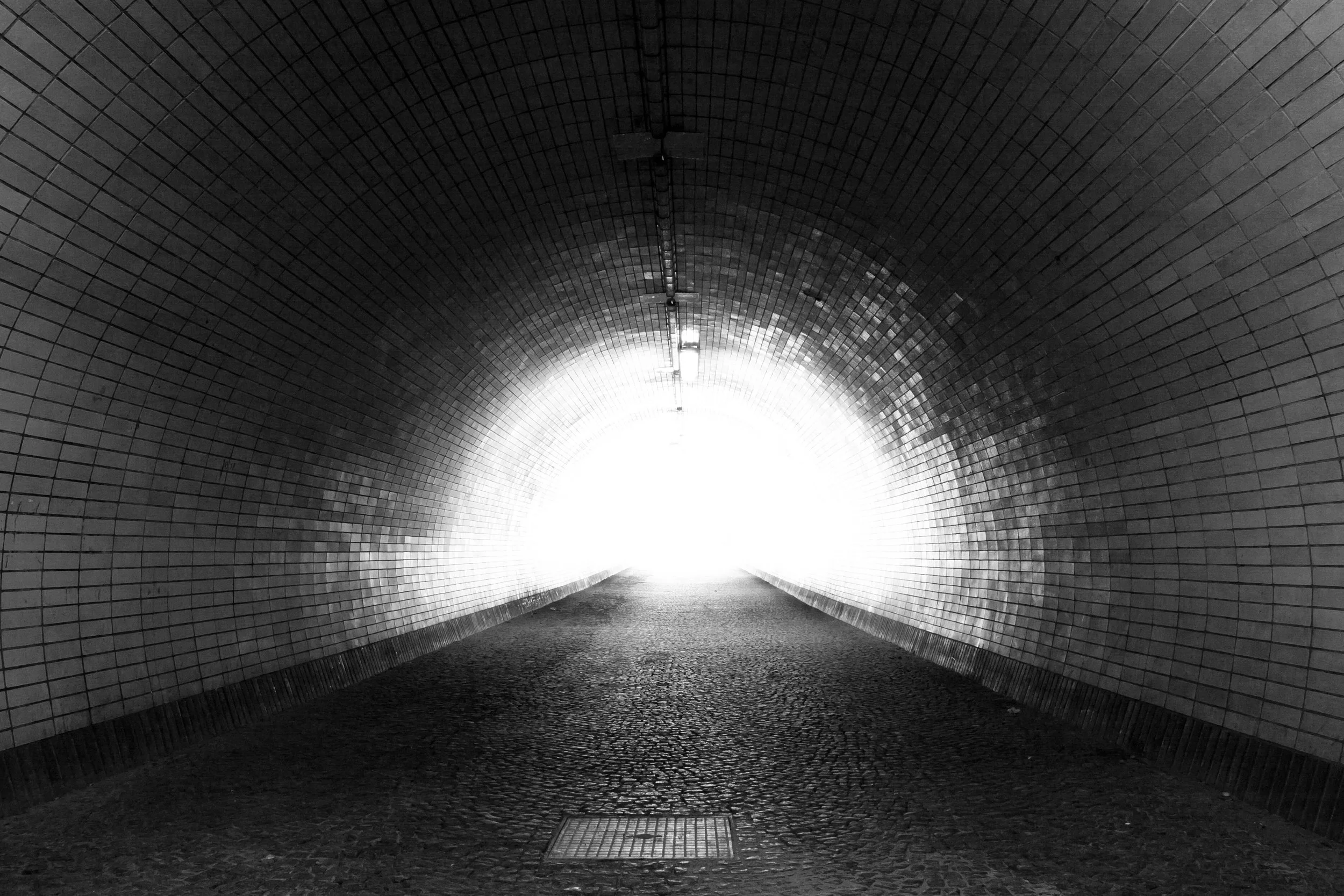
Travel from darkness to the Light.
Consequence is a word with weight.
Often, we think of consequence only as punishment or fallout, something negative that follows a poor choice. But when I write Stories of Consequence, I’m drawing on another meaning entirely. Here, consequence means significance. Weight. Importance. I write stories that matter because they grapple honestly with darkness while still testifying to the reality of light made possible through God’s grace.
My stories depict real lives, real choices, and real pain. They also depict authentic redemption. Every decision my characters make sends ripples outward, like a stone dropped into still water. Scripture reminds us, “Do not be deceived: God is not mocked, for whatever one sows, that will he also reap” (Galatians 6:7). In my fiction, consequence reveals the true cost of love, faith, forgiveness, and endurance.
Too often, faith-based fiction tries to escape pain by avoiding it altogether or disguising it with tidy, painless endings. These stories can offer momentary refuge, but they rarely reflect life as it actually is. In reality, healing is slow, resolution is complex, and hope is rarely effortless. I choose instead to write stories that have the courage to face pain and transform it. I don’t write to shield readers from darkness, but to guide them safely through it toward truth and freedom. “You will know the truth, and the truth will set you free” (John 8:32).
This is what I call redemptive storytelling.
As a writer of Redemptive Realism, my calling is to face truth without cynicism and to hold compassion without sentimentality. I do not expose wounds or trauma for shock value. I write to reveal the quiet, persistent work of grace that meets suffering with presence rather than denial. Healing is rarely instant, but it is real. “The Lord is near to the brokenhearted” (Psalm 34:18). Beauty, in life and in fiction, is not the absence of pain, but the presence of God within it.
In my upcoming novel, What Remains After, hope is difficult to find, yet it exists quietly and stubbornly. It emerges through effort, endurance, and the grace of God working through ordinary, kind-hearted people. The characters must fight for hope, and it costs them something. That hope appears not in grand, unbelievable miracles, but in small, human moments: dilapidated bleachers, light breaking through a dirty window, the calm that follows a storm. Grace enters through forgiveness, courage, and small redemptions that accumulate over time. “The light shines in the darkness, and the darkness has not overcome it” (John 1:5).
The hope in my stories is never convenient. It is costly, just as it is in real life. True hope is built through consequence, not comfort. That is why I resist easy answers and happily-ever-afters. I show what must be endured in order to hold onto hope. Yet that hope is never in vain. God’s grace is always present, always working, often quietly and in His timing rather than ours. Scripture reminds us, “Suffering produces perseverance; perseverance, character; and character, hope” (Romans 5:3–4).
In everything I write, I try to remain anchored in integrity. I write stories that tell the truth about what it means to be human and about the depth of God’s mercy. I refuse to cheapen either. To do so would be a disservice to readers who are not looking for escape, but for honesty and light that can withstand the dark.
I don’t write to avoid the darkness or to dwell in it.
I write to bear witness to the truth that the light was there all along.
If this piece resonated with you, I share quieter reflections and early work through my private newsletter. You can find that space here:
Stories of Consequence Newsletter. I share more writing shaped by faith, consequence, and hope through my newsletter and on this blog, including the short stories War Within, The Tree, and Trash. These stories exist for readers who know that hope is real, but rarely easy—and that light is worth the cost of facing the dark.
Stories of Consequence
Fiction that faces the dark, but ends in light.
Pauline J. Grabia
Related Blog Posts:




A scene may be straightforward on the page yet still leave the writer staring at the cursor, reluctant or even unable to write. Some chapters are difficult because the writer doesn't know what should happen next. Others are difficult because the writer knows exactly what must happen but doesn't want to go there.