Why I Write About Broken Things
Please subscribe to my email newsletter for updates on my website and blog. You can do so in the sign up block at the bottom of this page. Thank you!
Gentle note to readers:
This reflection includes brief references to childhood trauma, abuse, grief, and bullying. These themes are approached with care and hope, but if you’re reading tenderly today, please take your time and step away if needed.
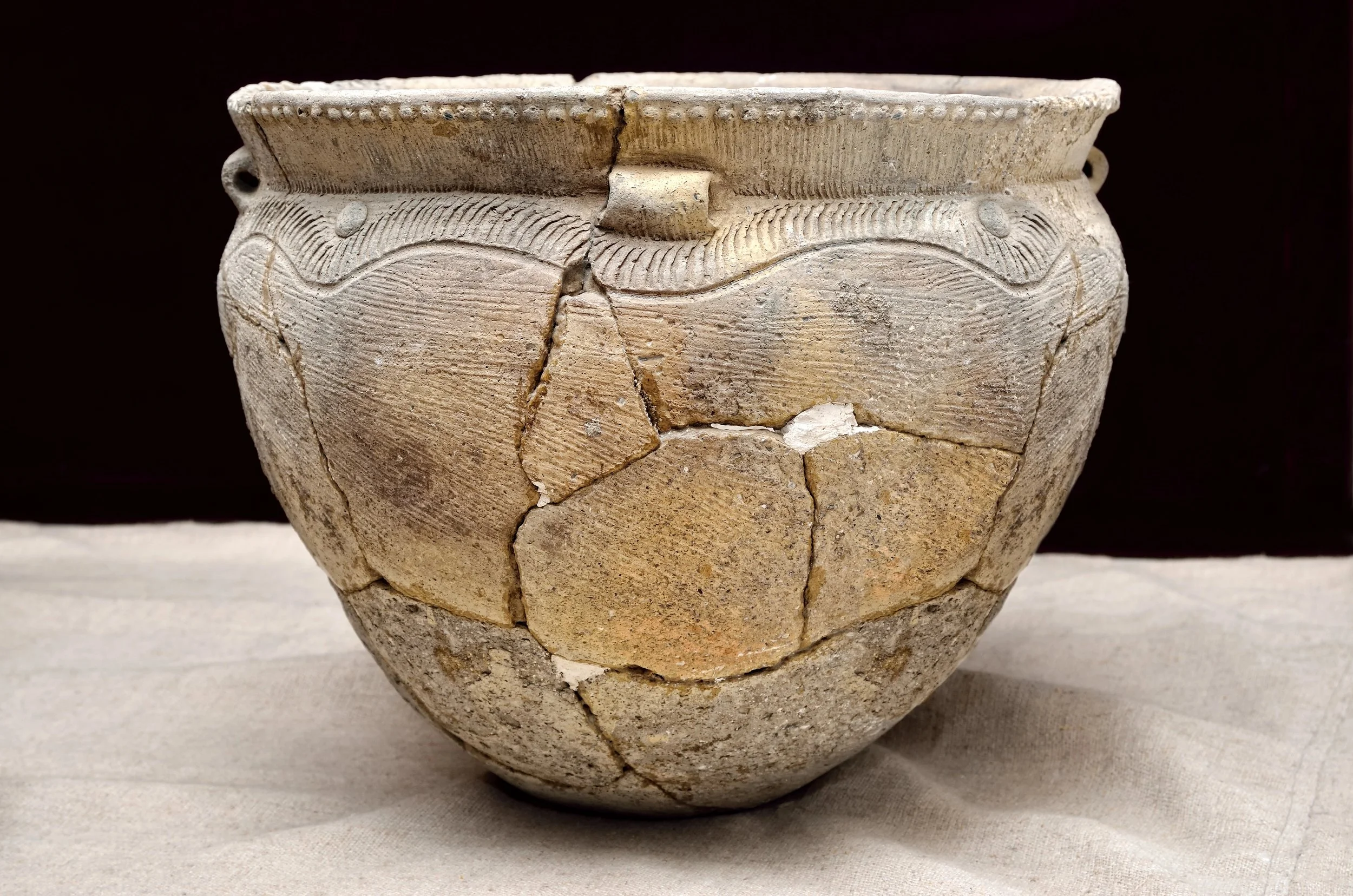
My life has been shaped by imperfection and brokenness.
I have known abuse within my family (excluding my father), the loss of my dad to cancer, years of childhood bullying, and the ache of loving people who could not love me back. Because of this, I have always been suspicious of stories that offer cheap hope. The stories that ring truest to me are the ones that bear scars—stories that acknowledge how long healing can take, how costly grace can be, and how endurance is often quiet and unseen.
There is a certain beauty in flaws and scars, in chipped paint and frayed edges. They speak of time, survival, and persistence. Scripture reminds us that God’s power is most clearly displayed not in strength, but in weakness. The apostle Paul pleaded with God for deliverance from what he called his “thorn in the flesh,” and God replied, “My grace is sufficient for you, for My power is made perfect in weakness” (2 Corinthians 12:9). Grace does not work on our timeline, and it is never cheap—but it is always sufficient. God does not waste brokenness. He redeems it.
Modern culture, however, teaches us to hide our cracks. Filters, polish, cosmetic fixes, and curated perfection dominate our screens. We celebrate transformation stories, but only the “after.” We want the healing without the long, painful middle. Somewhere along the way, brokenness became synonymous with shame. And so people learn to hide. Silence replaces truth. Isolation replaces connection. Even within the Church, redemption is sometimes mistaken for neatness—for power, beauty, and strength rather than humility and honesty.
Scripture tells a different story.
When the prophet Samuel was sent to anoint Israel’s next king, he assumed God would choose one of Jesse’s strong, impressive sons. But God stopped him, saying, “Man looks on the outward appearance, but the Lord looks on the heart” (1 Samuel 16:7). Again and again, God chooses what the world overlooks. Jesus Himself was rejected, in part because He did not appear as the kind of Messiah people expected. He offered no shortcuts, no spectacle, no easy fixes. Yet Scripture declares, “The stone the builders rejected has become the cornerstone” (Psalm 118:22).
After my father died, I was deeply changed. Once lively and outgoing, I became withdrawn and cautious. Grief layered itself over earlier trauma and years of bullying, leaving me exhausted and afraid. During that time, my family gave me books, knowing I loved to read. Among them were The Chronicles of Narnia and a collection of Star Trek novels. They met me where I was. Narnia gently drew me closer to God. Star Trek awakened my imagination. I began writing fan fiction for both, and without realizing it, I had found refuge. Writing became a place where pain could breathe and hope could exist. Looking back, I recognize it as a gift from God, given not for achievement, but for survival.
God met my brokenness again a few years later through friendship. After relentless bullying in junior high, I prayed desperately for just one good friend. God answered with many. A church youth group welcomed me into their circle, offering a sense of belonging when I needed it most. Through them, God did not erase my pain—but He carried me through it. “The Lord is close to the brokenhearted and saves those who are crushed in spirit” (Psalm 34:18). I was crushed in spirit, and God used community to piece my heart back together.
This is why writing remains a redemptive act for me.
I do not write to fix people. That is not my role. God is the healer. I write to bring pain into the light of grace—to remind others they are seen, known, and loved in their brokenness. My stories blend faith and realism because truth and hope are not enemies. Darkness does not negate light; it reveals its necessity. Scripture promises us, “Weeping may endure for the night, but joy comes in the morning” (Psalm 30:5).
If you’ve ever wondered whether your fractures disqualify you, hear this: you are not beyond redemption. You are precisely the kind of story grace loves to enter. Christ came for the wounded, not the polished. Brokenness is not the end of the story—it is often the beginning of a sacred one. As John writes, “The light shines in the darkness, and the darkness has not overcome it” (John 1:5).
That is why compassion sits at the heart of my storytelling. I write about broken things to resist despair, to tell the truth with care, and to bear witness to the quiet work of grace. God does not discard what is broken. He rebuilds with it—and in His hands, what is restored often carries more depth and beauty than what came before.
If this piece resonated with you, I share quieter reflections and early work through my private newsletter. You can find that space here:
paulinejgrabia.com/stories-of-consequence. I share more writing shaped by faith, honesty, and hope through my newsletter, where I write as thoughtfully and gently as I can for those walking through hard places. You can also explore my short fiction on the blog, including War Within, The Tree, and Trash, which reflect the same commitment to truth and compassion.
This space exists for readers who know that light is real—but hard won.
Stories of Consequence
Stories that face the dark, but end in light.
Thank you for reading.
May God meet you with grace and steadiness wherever this finds you.
Pauline J. Grabia