Why Setting Matters: The Sacredness of Place
Please subscribe to my email newsletter for updates on my website and blog. You can do so in the sign-up block at the bottom of this page. Thank you!
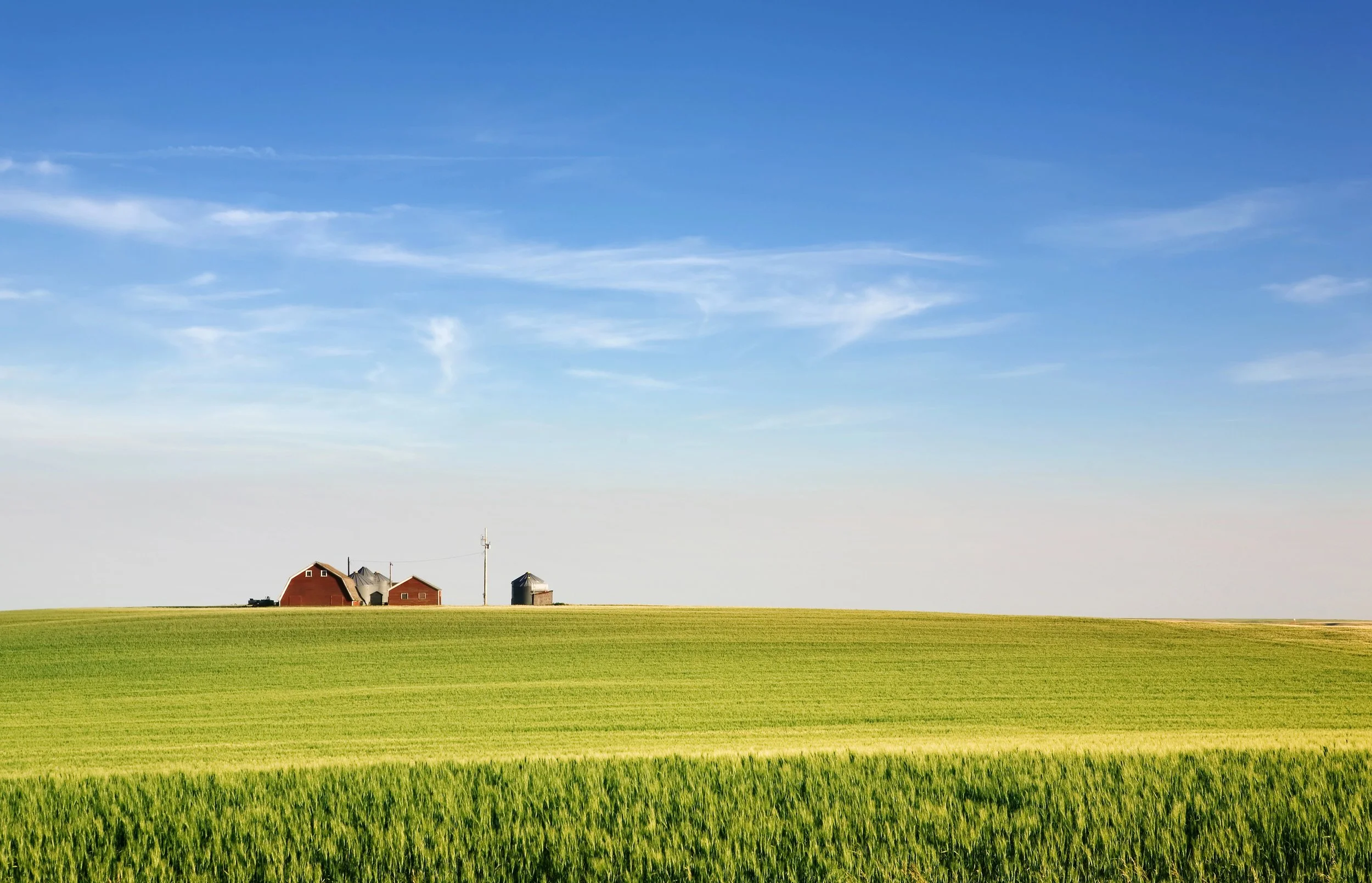
An Alberta prairie farm setting.
A gentle, warm breeze sweeps across the prairie, carrying the scent of freshly cut grain and rain-soaked earth into a small Alberta town. Above, the sky is clear, and the vibrant greens, blues, and pinks of the Northern Lights spill over the land below, crossing rooftops and fields that seem to stretch on forever. The sound of a truck passing down one of the quiet streets feels as familiar as a hymn softly hummed. These moments remind us of God’s goodness. “The heavens declare the glory of God; the skies proclaim the work of His hands” (Psalm 19:1).
The land, the towns and villages, and even the larger urban centers of Alberta hold memory, pain, and grace for those who live there. One sight or one familiar scent, and the past rises again in the mind and heart.
The geography of our lives and stories is deeply intertwined. People are shaped by the soil beneath their feet. Weather toughens or softens them, and they fall into the rhythms of the places they call home. Albertans often see themselves as hearty and resilient, their spirits warmed by long summer days and tested by sudden storms and bitter winters. Alberta’s varied landscape mirrors emotional geography: the Rocky Mountains inspire awe, the prairies echo longing, and winter fosters a quiet faith that spring will come again.
Every story I tell is haunted by where I’m from, from the busy freeways and crowded streets of Edmonton to the silence between train whistles and the weight of the big sky in places like Onoway and Leduc. I have known joy and pain in the places I’ve lived, but above all, I have known the presence and grace of God there. “The boundary lines have fallen for me in pleasant places; surely I have a delightful inheritance” (Psalm 16:6).
Our surroundings become mirrors for our inner lives. Mountains echo struggle, endurance, and majesty. Lakes invite reflection and stillness. Prairie expanses offer both freedom and isolation. In fiction, setting is never merely background. It is not decorative or incidental. When done well, setting reveals character, emotional truth, and moral tension. Just as our surroundings shape who we become in real life, setting shapes characters on the page.
Alberta serves as the backdrop for many of my stories, and its extremes function as metaphors for resilience and grace. Long, harsh winters mirror the endurance of those who survive them. Summers bring both abundance and danger: sun that gives life, drought that threatens it, storms that promise renewal but can also destroy. Long country roads stir both freedom and loneliness. Towering urban buildings suggest urgency, anonymity, and the imposition of the unnatural on the natural. Together, these elements convey endurance, consequence, and grace. “They will be like a well-watered garden, like a spring whose waters never fail” (Isaiah 58:11). In landscapes that demand endurance, hope becomes ingrained.
Small towns appear often in my stories and upcoming fiction because they carry a distinct moral and spiritual rhythm. Their slower pace shapes conscience and community. People know one another’s histories. Care for the sick and wounded often comes naturally, reflecting Christ’s command to “love your neighbor as yourself” (Mark 12:31). At the same time, small towns can harbor secrecy, judgment, and exclusion. Light and darkness grow side by side within close proximity.
My fiction holds both realities. Small towns can be refuge or hell, sometimes depending on which side of the tracks you live on or which house of worship you attend, or don’t. Moral truth in these places is not abstract. It is embodied in people, streets, kitchens, and everyday decisions.
For all these reasons, setting in life and in fiction is never just a backdrop. It is a living presence, another character shaping theme, plot, and destiny. The land remembers what people forget: the laughter once shared, the tears absorbed into soil, the prayers released into vast skies. Sacredness is not confined to mountaintops or sanctuaries. It exists in wheat fields and gravel roads, in frozen lakes and sloughs alive with frogs and crickets, and at dinner tables where grace settles down to supper. “Stand still and consider the wondrous works of God” (Job 37:14).
Alberta, like all meaningful settings in my fiction, is not about nostalgia or sentimentality. It is about reverence. God is everywhere, and His presence is often most visible in the ordinary landscapes that shape us. Belonging to a place means being formed by its seasons, silences, and light.
Take a moment to reflect on the settings of your own life. What place has shaped you most deeply? What landscapes live quietly inside you still?
Stories of Consequence
Fiction that faces the dark, but ends in light.
May God bless you richly,
Pauline J. Grabia
Related Posts:


You can search Google Maps, unfold an Alberta road map, or follow the highways north of Edmonton, but you won’t find Coverville. Coverville is the fictional Alberta town I created for my novel, What Remains After. However, its feeling, its atmosphere, is not fictional. It grew out of the Alberta communities I’ve lived in, visited, and loved, particularly Onoway, Spirit River and Rycroft, and Millet.