Join the Stories of Consequence Circle!
For readers drawn to fiction that faces the dark but ends in light.
No noise. No spam. Just stories and reflections when they’re ready.
Your privacy matters. Please see my privacy policy in the menu bar at the top of the page.
Inside the Story Series # 4: Building a Town That Doesn’t Exist - How Onoway, Spirit River, and Millet Helped Inspire Coverville
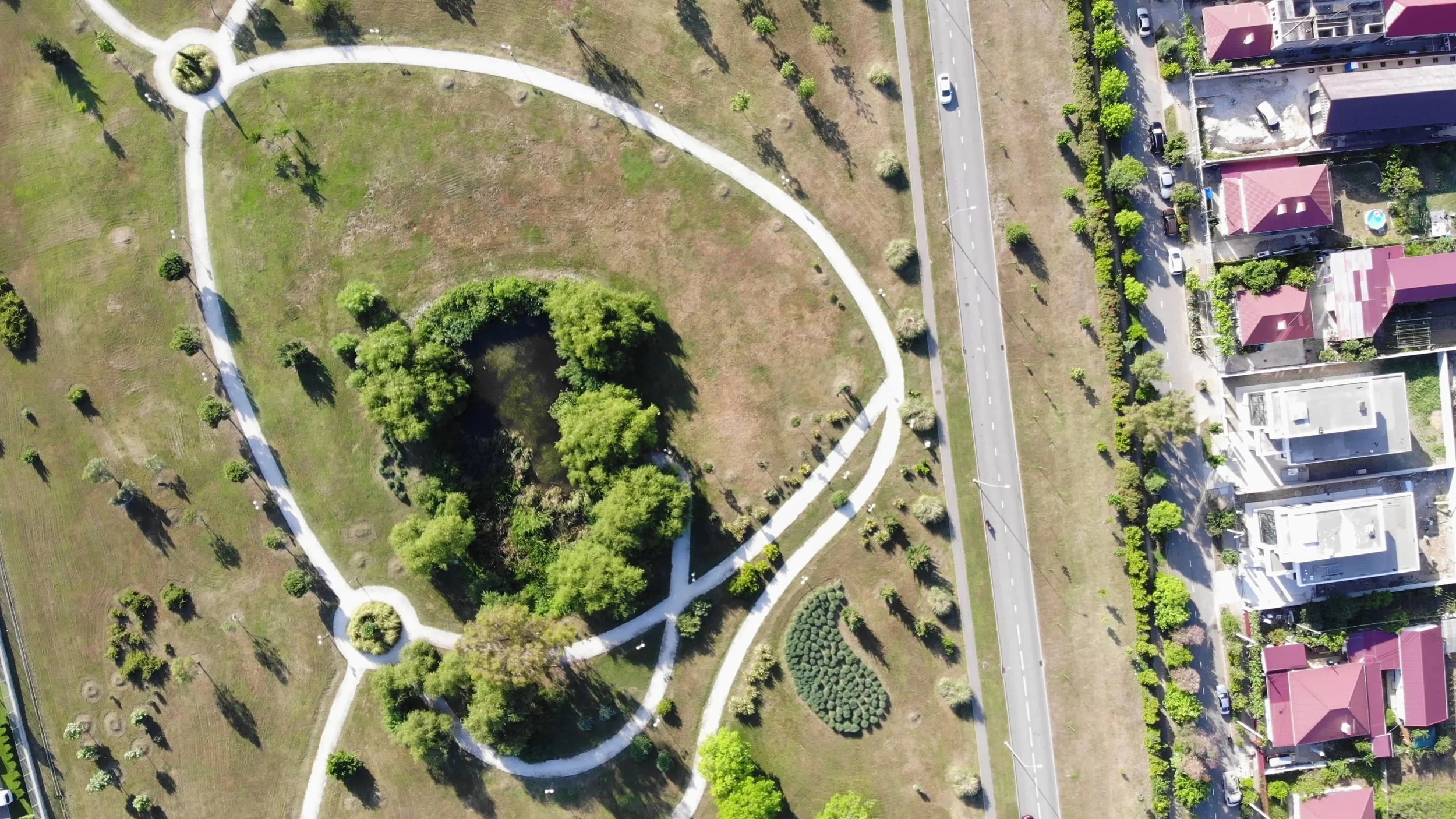
You can search Google Maps, unfold an Alberta road map, or follow the highways north of Edmonton, but you won’t find Coverville. Coverville is the fictional Alberta town I created for my novel, What Remains After. However, its feeling, its atmosphere, is not fictional. It grew out of the Alberta communities I’ve lived in, visited, and loved, particularly Onoway, Spirit River and Rycroft, and Millet.
Inside the Story Series # 3: Why Consequences Matter More Than Plot Twists
Have you ever finished a mystery story, admired the final twist, and then forgotten the story a few minutes later? How about a book you've read that you still remember years later? Perhaps you've gone back to it and read it repeatedly. What is the difference between these books that elicits such a different response?

Inside the Story Series # 2: Why I Write Ordinary Heroes – The Quiet Courage That Changes Lives
One thing you'll notice in my novel, What Remains After, and in the short stories on my blog is that I don't write about superheroes. I write about ordinary people who find themselves in extraordinary circumstances and are compelled to act. That's what courage often looks like in real life. The people who change or even save lives rarely wear uniforms or capes. More often, they're neighbors, teachers, pastors, relatives, foster parents, friends, or even strangers who choose not to look away.
Inside the Story Series # 1 - Why I Chose Rural Alberta: How Place Shapes My Stories
Every writer has a place that lives in their imagination long before they put words to a page. For me, that place has always been Alberta, especially rural Alberta.

What Happens After the Worst Thing? The Questions at the Heart of What Remains After
Most stories in modern literature focus on the crisis moment and the great emotional reveal: the crime and the confrontation between the protagonist and the antagonist, the disaster or the escape from it. But eventually, another question naturally emerges:
What happens afterward?
Why This Story Might Be Difficult and Why That Matters: Why Some Stories Refuse Easy Answers
Yet some stories ask something different of us. They invite us not to escape reality but to engage with it. My new novel, What Remains After, belongs to that second category.

If You've Ever Felt Unbelieved: Why Being Heard Matters After Trauma
Most people assume that after someone has experienced trauma, the deepest wound is the original harm they endured. Sometimes that is the case. But often, another wound follows. It occurs when someone tells their story and is not believed.
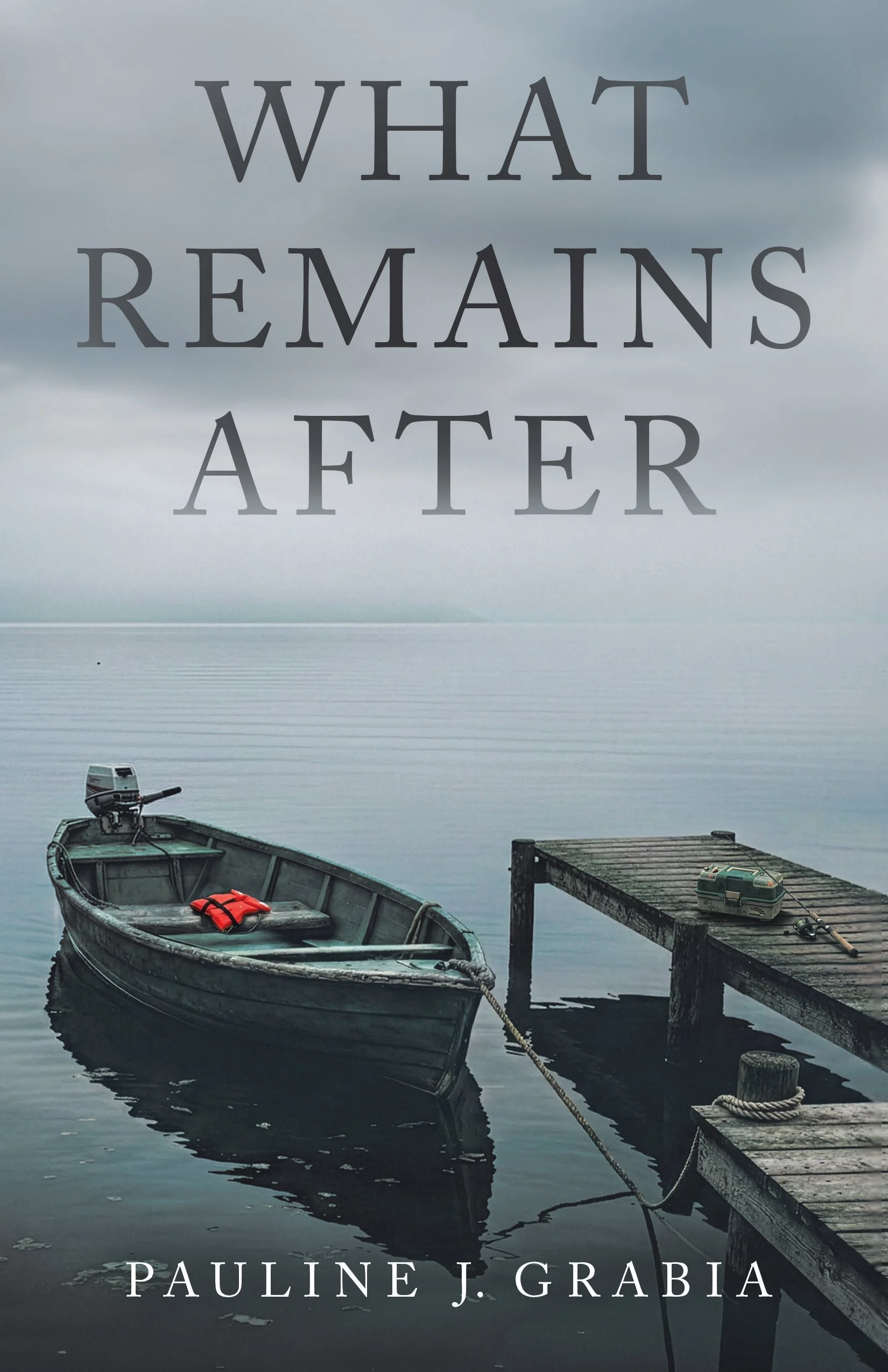
Is What Remains After the Right Book for You?
One of the biggest lessons I've learned as both a writer and a reader is that no book is for everyone. That doesn't mean a book is flawed. It's simply the reality of storytelling. Readers have personal tastes, preferences, and backgrounds that influence the kinds of books they enjoy.

When You Realize a Story Is Bigger Than You: What Writing a Novel Taught Me About Story, Faith, and Humility
Most writers begin a story with a clear idea of what they are creating. They know the plot, at least in broad strokes, if not in every detail. They've developed character profiles and may have even made character boards for them on Pinterest or sketched out how the characters look. They understand the central conflict, though it may change as they begin writing. They usually know the ending, though this may change during the writing process.
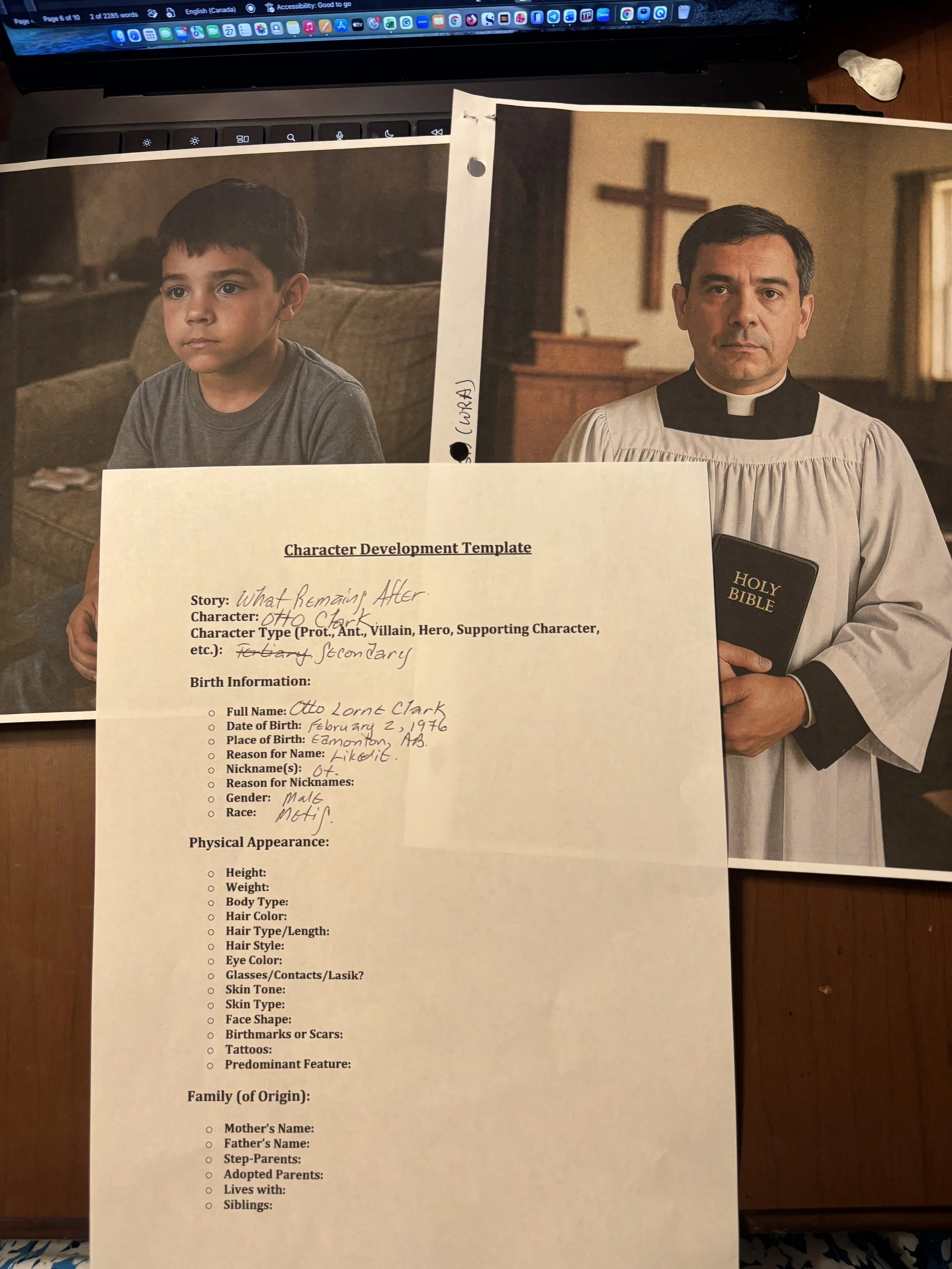
Why Some Characters Refused to Behave: What Fictional Characters Taught Me About Human Nature
… There are moments in their stories when a character refuses to do what they were intended to do. This isn’t necessarily because the writer loses control, but because the planned action no longer feels true.

The Difference Between Telling a Story and Living One
Human beings are storytelling creatures. History has been passed down through the ages through storytelling. We've also been given magnificent brains, and those brains enjoy imagining lives we don't necessarily live ourselves. As storytellers, we instinctively look for beginnings, middles, and endings. We want everything to fit together coherently, and when stories don't, we are left feeling confused, frustrated, and dissatisfied.

What Revision Taught Me About Patience – Lessons from Revising a Novel
Writing a first draft can feel exhilarating, but revision teaches a different lesson. It teaches patience. In this essay, I reflect on what revising What Remains After taught me about growth, discovery, and learning to trust the writing process.

The Hardest Scene to Write in What Remains After: Writing About Trauma, Truth, and Healing
As a reader, I used to assume that the hardest scenes for an author to write were the action scenes, fierce climactic confrontations, or moments of violence. Once I took up writing with the determination that it would be my calling and profession, I soon discovered that for me, the hardest scenes are not necessarily so because of what happens in them, but because of what they represent.
What Remains After Survival? Trauma, Faith, and the Long Road to Healing
There is a myth in modern stories that survival is the ultimate victory. If someone gets through the story, everything seems settled. Survival is often the peak moment. In many cultures, storytelling focuses on rescue or escape from hardship and enduring through it. Phrases like “You were so strong” or “At least you survived” can unintentionally oversimplify what happens next.
When Faith Is Wounded: Spiritual Abuse, Lament, and Healing
There is a truth many people feel but are afraid to acknowledge aloud: faith itself can be wounded. A person’s trust in God, sense of safety with Him, and understanding of who He is can be harmed by painful experiences. This is especially true when those experiences involve betrayal, suffering, unanswered prayer, or abuse committed in God’s name.

The Shape of a Father: Why Godly Fathers Matter in Children’s Lives
What does Scripture teach about godly fathers, and why does faithful fatherhood matter so deeply in the lives of children?

What It Means to Be Believed: Trauma, Listening, and Human Dignity
If you've ever shared something deeply personal or important and been dismissed or disbelieved by your listener, then you understand how humiliating and dehumanizing that feels. There is deep significance in being believed, in having your words acknowledged and valued without needing to prove yourself beyond a reasonable doubt. Belief is not neutral.
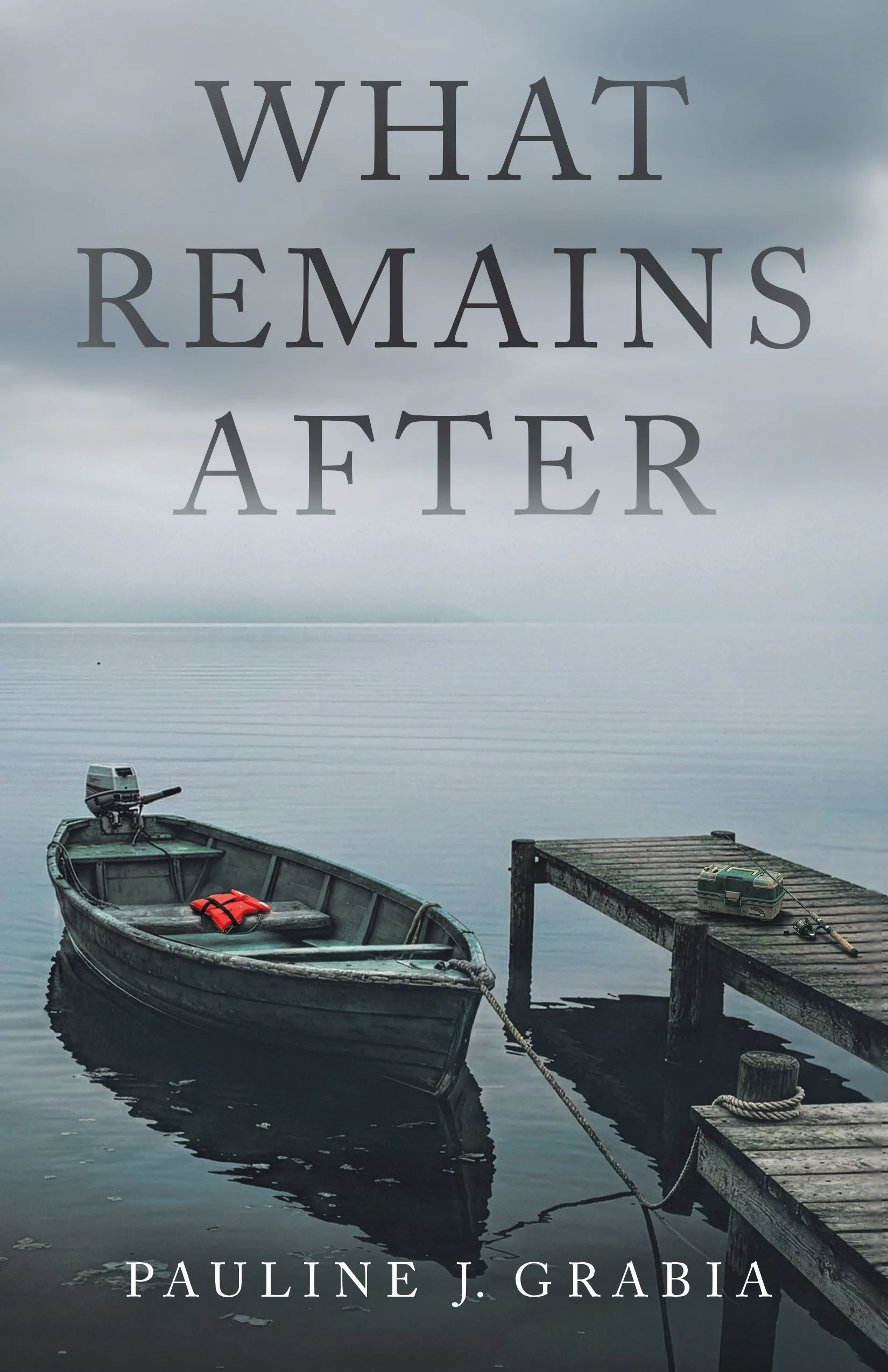
How to Read What Remains After: A Literary Psychological Suspense Novel
What Remains After is a literary psychological suspense novel by Canadian author Pauline J. Grabia. Set in rural Alberta, the story explores trauma, memory, moral consequence, and the long aftermath of survival through the lens of what I call Redemptive Realism.
Redemptive Realism Blog Series Blog 3: Writing Stories That End in Light – Why Hope Must Be Earned in Fiction
In fiction, many stories offer easy optimism. They may touch on difficult real-life situations, but they shy away from anything that suggests there aren’t always happy endings or simple answers to life’s problems. In my experience, most readers do not trust these kinds of stories.
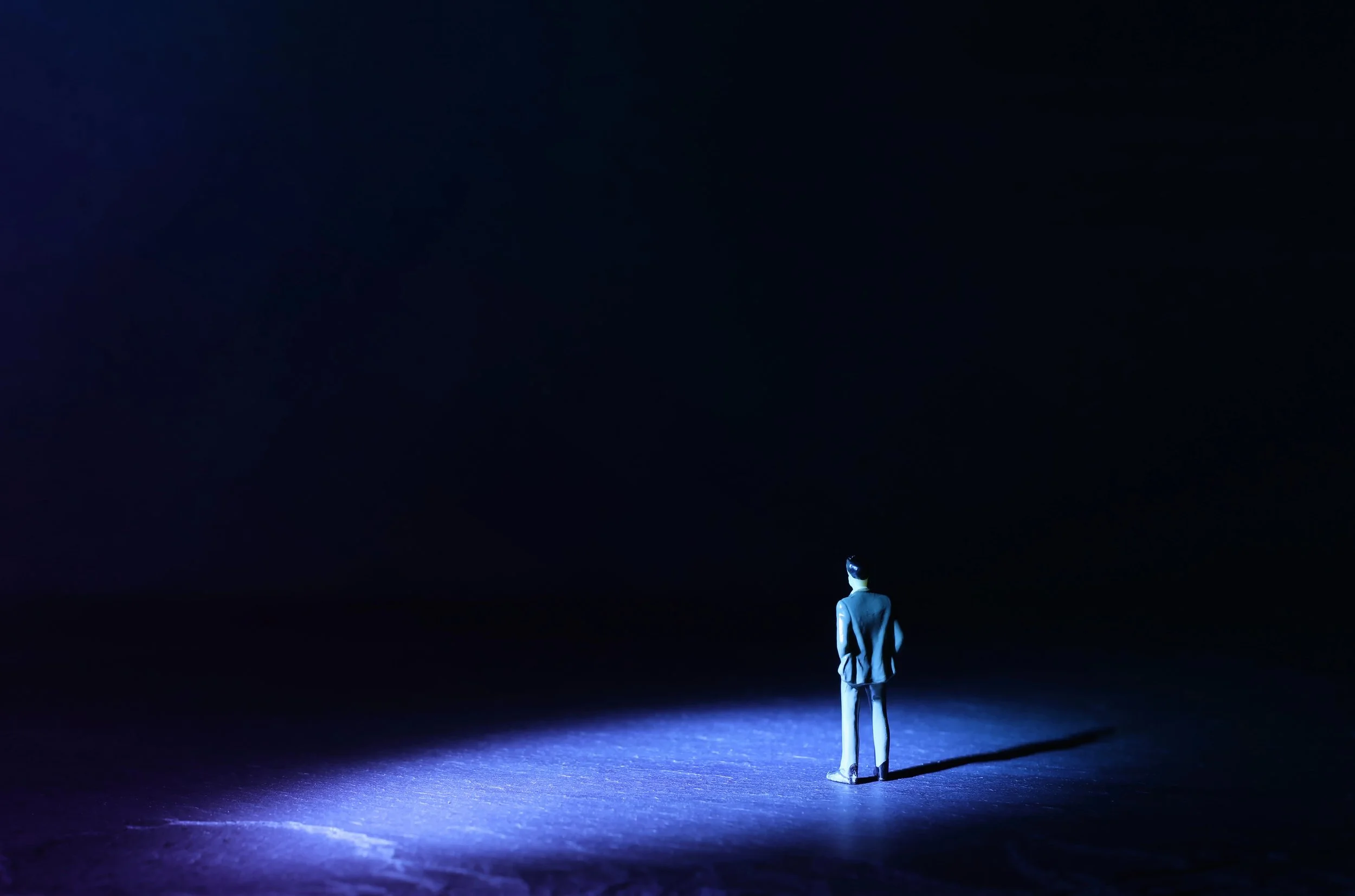
Redemptive Realism Blog Series Blog 2: Why Stories Must Face Darkness Honestly About Trauma and Truth
I love to read literary fiction that explores the truth of life and offers hope at the end. I don’t do enough of it because of time constraints, but when I do have time, I love a good, deep, meaningful novel that explores the truth of life and offers hope at the end. I suppose that’s why I write Redemptive Realism—because it approaches storytelling that way.