Inside the Story Series # 1 - Why I Chose Rural Alberta: How Place Shapes My Stories
Please subscribe to my email newsletter for updates on my website and blog. You can do so in the sign-up block at the bottom of this page. Thank you!
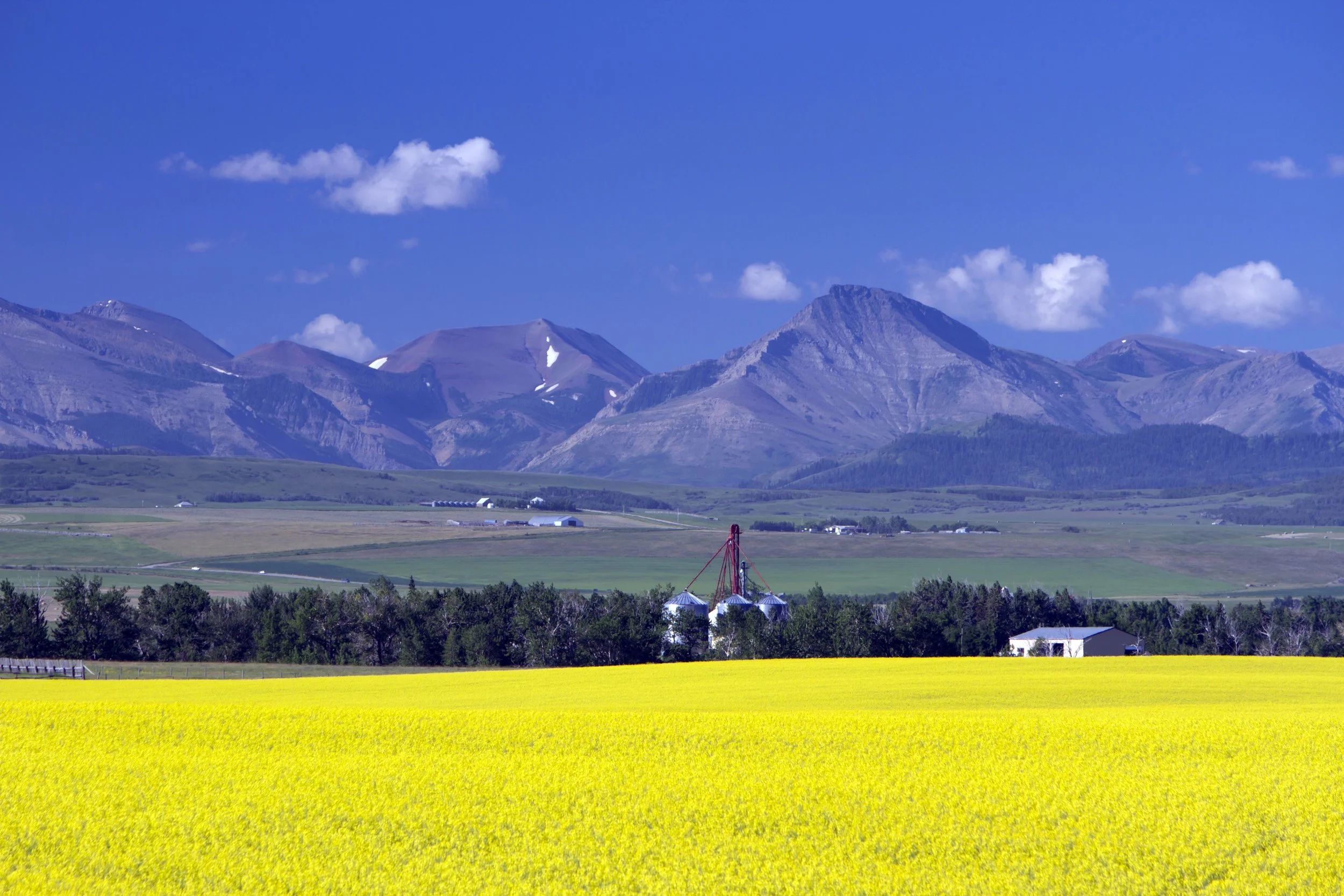
The many faces of beautiful Alberta.
This essay is the first in my new Inside the Story series, where I share the creative decisions, real-life influences, and writing philosophy behind my novels.
Introduction
Every writer has a place that lives in their imagination long before they put words to a page. For me, that place has always been Alberta, especially rural Alberta. I was born and raised in the city, but at age 17 I moved to a small village in north-central Alberta and fell in love with the rural way of life. Long before I wrote my first novel, these roads, forests, fields, lakes, and small communities shaped the way I saw the world. They taught me what beauty looks like, what isolation feels like, and why ordinary people often carry extraordinary stories.
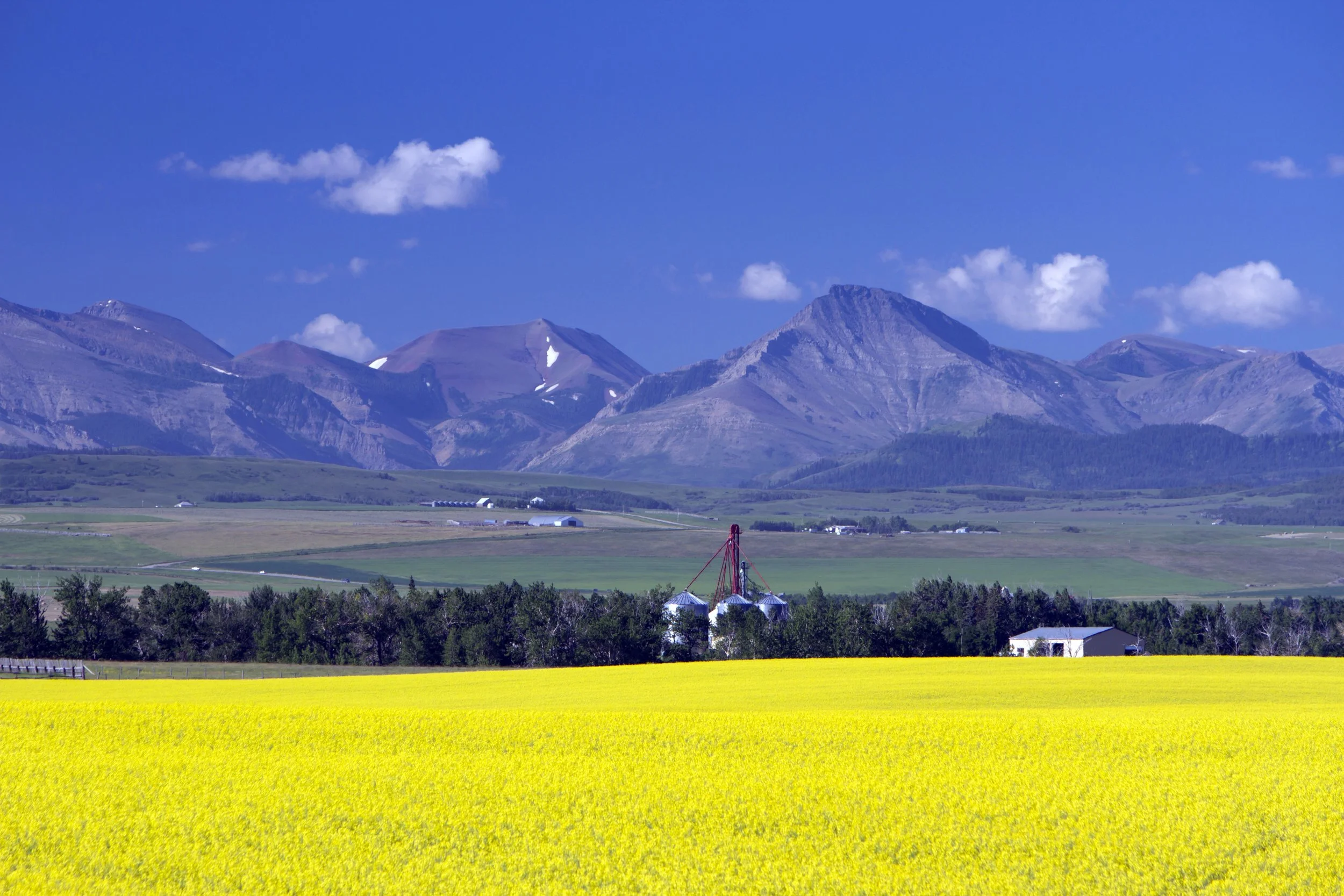
Alberta is unlike any other place in the world. It is a confluence of dense boreal forests, rolling prairie grasslands and farmers' fields, deep coulees carved by ancient glaciers, arid badlands dotted with hoodoos, and majestic mountains. There is nothing quite like an Alberta sunset over a field of brilliant yellow canola, the Three Sisters standing tall over Canmore, or the dust kicked up by the wheels of a pickup speeding down narrow gravel country roads. Every small town and village has its own personality and story.
I didn't choose rural Alberta simply because it's home. I chose it because this landscape tells stories that couldn't unfold quite the same way anywhere else. The geography, distances, weather, people, and culture all become part of the narrative. In my stories, Alberta isn't a backdrop. It's another character.
Why Rural Alberta Became the Heart of My Stories
Home shapes the stories I tell. I was born and raised in Alberta. My family roots run deep here. This is where I've raised my children. I've traveled across the province and its varied landscapes. I've camped, hiked, and fished in the mountains and deep forests. I understand the local speech and prairie way of life. When I set my stories in the places I've lived, there is authenticity. Readers can tell when an author writes about a place they truly know.
When Distance Becomes Part of the Story
On a map, Alberta seems wide open. Those miles between farms. Those long highways. Those lonely acreages. They all create a unique kind of isolation.
In rural Alberta, the nearest farmhouse may be a mile or more from its neighbor. Children ride their bikes to visit friends in the community or rely on their parents for a ride because it's simply too far to walk. After a winter storm, roads can become impassable, and people may find themselves snowed in, their long driveways buried beneath three or four feet of drifting snow. Silence can become normal.
Many of my stories begin with people who believe they are alone. Physical isolation mirrors emotional isolation. Children think: No one sees.No one knows.No one will believe me. The prairie landscape quietly echoes that feeling. Not because Alberta creates abuse, but because loneliness has a geography.
Distance, in its many forms, can also make protection harder. Police presence is often more limited in rural communities. Teachers, churches, doctors, and ordinary neighbors may be willing to help, but geography complicates everything. Emergency response times are longer. Families often live miles apart and don't witness what happens behind closed doors.
Limited human and economic resources also present challenges. Fewer professionals, particularly physicians, are willing to establish practices in rural communities without incentives. Many of the best-trained professionals gravitate toward urban centers. Even those who faithfully serve rural regions often carry heavier caseloads, making it more difficult to recognize patterns of abuse. If you live on a farm in the middle of the Alberta prairie, it's much harder to run to a neighbor for help when life at home becomes dangerous. Transportation can become another barrier that vulnerable people must overcome.
Small Towns, Secrets, and Community
At the same time, small towns can be wonderful places. People bring meals to neighbors who are sick or grieving. They use tractors and plows to dig out snowed-in driveways. Families know one another across several generations. But there is another side to everybody knowing everybody else.
A person's reputation, whether good or bad, often follows them for decades. Gossip spreads like a grassfire during a hot summer drought. Certain families become entrenched and powerful, almost untouchable no matter what they do. Respected community members and leaders can be protected even when they misbehave. Children may struggle to be believed when they are up against influential adults.
Sometimes everyone knows something, yet no one says it aloud.
That is one of the quiet tragedies in some of my fiction.
This silence often isn't malicious. More often, it grows out of fear, loyalty, or embarrassment. People convince themselves: It isn't my business.Someone else will deal with it.He's really a good person.They're probably misunderstood.
Those small decisions accumulate over time. Eventually, entire communities can come to live by secrets. In those situations, children and vulnerable adults can fall through the cracks.
Why I Love Writing About Alberta
But I don't write about Alberta because it's broken. I write about it because I love it.
There are so many places and landscapes to explore. Prairie. Badlands. Forest. Mountains. Endless skies over golden fields of grain. Pink, purple, and gold sunsets over lakes filled with loons, ducks, geese, and even pelicans. Yellow and golden poplars, elms, and birch mingling with evergreen spruce and jack pine each autumn. Frozen rivers banked with crisp white snow. Chinook winds that melt it away. Summer lightning storms that both inspire and frighten. Long winter evenings beside a fireplace or wood-burning stove while snow falls quietly outside. Camping and fishing at one of hundreds of lakes. Deer wandering through the yard or grazing on a front lawn.
Quiet beauty.
The Stories Alberta Has Given Me
My stories aren't meant to be an indictment of Alberta. They're love letters written honestly. I refuse to embrace extremes. I don't romanticize my home, nor do I condemn it. Instead, I write about Alberta as it truly is: beautiful, complicated, sometimes heartbreaking, yet still filled with grace.
Every place on earth has stories worth telling. The ones that take place in Alberta are the ones I know best. Alberta has given me landscapes that inspire wonder, communities that have shown remarkable kindness and love for their neighbors, and people whose courage has shaped my imagination.
If my novels sometimes wander into dark places, it isn't because I believe darkness defines this province. It's because I believe hope shines brightest when it rises from forgotten places.
Alberta is my home.
These are the stories its wide skies have taught me to tell.
About What Remains After
Much of what has been explored in this essay emerged while writing my debut novel, What Remains After.
Note: What Remains After is a literary psychological suspense novel set in rural Alberta, exploring childhood trauma, faith, survival, truth-telling, and healing across two timelines. The novel is available now on Amazon in Canada and the United States.
Blessings,
Pauline J. Grabia
Stories of Consequence
Fiction that faces the dark, but ends in light.
FAQs:
Why do you write stories set in rural Alberta?
Because I know the people, landscapes, and communities firsthand. Rural Alberta provides both the beauty and complexity that shape the kinds of stories I tell.
Are your novels based on real Alberta towns?
No. While my stories are inspired by places I've known, most take place in fictional communities that reflect the character of rural Alberta.
Is Alberta itself a character in your novels?
In many ways, yes. The geography, weather, isolation, and culture influence the choices my characters make just as much as any human relationship.
What themes do you explore in stories set in Alberta?
My novels explore trauma, resilience, faith, forgiveness, justice, family, and hope, all grounded in the unique realities of rural Alberta.
Related Posts:
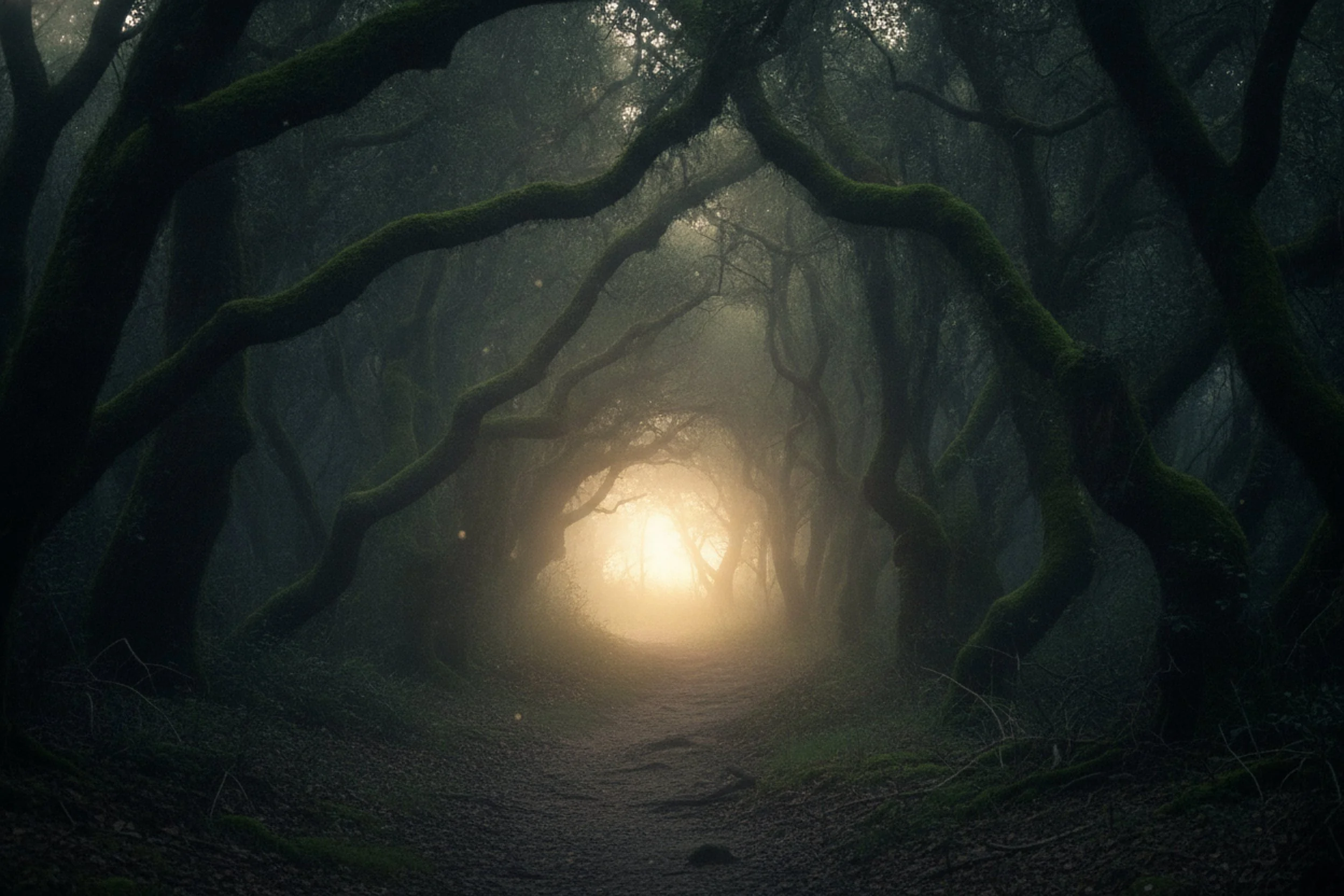

You can search Google Maps, unfold an Alberta road map, or follow the highways north of Edmonton, but you won’t find Coverville. Coverville is the fictional Alberta town I created for my novel, What Remains After. However, its feeling, its atmosphere, is not fictional. It grew out of the Alberta communities I’ve lived in, visited, and loved, particularly Onoway, Spirit River and Rycroft, and Millet.