Please subscribe to my email newsletter for updates on my website and blog. You can do so in the sign-up block at the bottom of this page. Thank you!
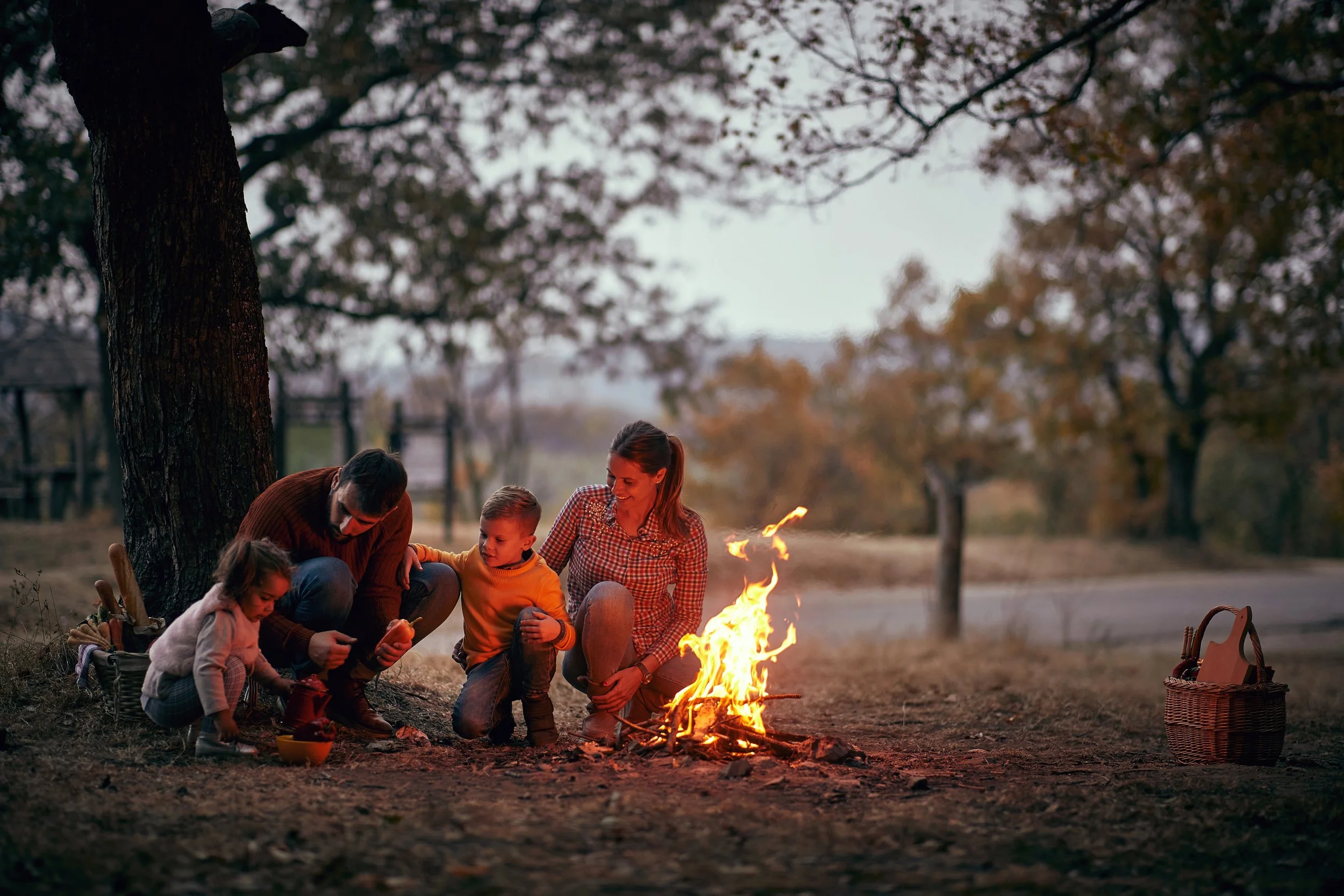
Warm, meaningful, quiet moments help readers breathe after tension and suspense.
This essay is the tenth in my new Inside the Story series, where I share the creative decisions, real-life influences, and writing philosophy behind my novels.
The Pressure to Keep Everything Moving
As an author, I’ve often heard the advice: “Keep the story moving,” “Raise the stakes,” and “Cut anything that slows the tension.” We are supposed to make every chapter impossible to put down. It’s generally useful advice. But what happens to the reader when the novel never slows down?
Writers are often warned that readers will become bored if the tension slackens or the pace slows. But I was worried that they would become emotionally exhausted if it never did. What Remains After contains emotionally difficult material. Constant intensity could have overwhelmed my readers rather than drawn them deeper into the story.
I needed to give them room to breathe without having them set the book aside.
Even Suspense Needs Somewhere to Rest
Good suspense depends on contrast. If every scene is frightening, tense, urgent, or painful, readers can become overwhelmed or emotionally detached. Eventually, even deeply dramatic events may lose their intended impact.
Think of it in terms of music. Tension needs silence around it, just as music needs rests. A musical piece without rests becomes too much to listen to. The rests speak volumes that extra notes cannot.
The same is true when reading about trauma, grief, or other difficult subjects. Such material asks readers to do more than simply follow the plot. Readers may grieve for a character, consider the moral failures of others, recognize something from their own experiences, or wonder what they would have done under the same circumstances.
That kind of emotional engagement needs room. By creating quiet moments in What Remains After, I wasn’t trying to protect readers from every difficult feeling. Instead, I wanted them to have enough air to remain present for the story.
Quiet Doesn’t Mean Nothing Is Happening
People need time to recover after a frightening or painful experience. They don’t simply move on to the next crisis. They may sit quietly, struggle to speak, perform ordinary tasks, remember something unexpected, or begin to understand what happened. These moments matter because they reveal consequences.
A quiet scene can function similarly by showing a character reconsidering a relationship, making an important decision, grieving, praying, or learning to trust again. Quiet doesn’t mean nothing is happening. There may be little outward action, but considerable inward movement.
That said, not every slow scene belongs in a novel, especially in the suspense genre. A scene that only repeats information or delays the story without adding anything can bog it down. A worthwhile quiet scene should still do something significant, such as deepen characters and relationships, reveal consequences, or prepare readers for something important later in the story.
If used effectively, stillness can increase suspense. Readers have the mental space and time to wonder whether the danger has truly passed or whether this moment of safety will last.
Hope and Faith Often Begin Quietly
Hope sometimes begins with something small, rather than through dramatic rescues or grand declarations. It can arrive through promises kept, someone choosing to remain present, or a moment of prayer. These moments don’t erase suffering, but they can begin to change what a character believes is possible.
Faith in fiction doesn’t always require sermons, dramatic conversions, or amazing miracles. Some of the deepest spiritual moments, where God’s grace is best expressed, aren’t loud enough to compete with the plot. They require the story to quiet down long enough for the reader to hear them.
This concept relates to my philosophy of Redemptive Realism: darkness remains real, but small moments of goodness help readers see that it isn’t the entire story.
The Emotional Rhythm of What Remains After
I wanted readers of my novel to experience a rhythm of tension followed by release. Grief accompanied by comfort. Fear interrupted by moments of safety. Uncertainty alongside the possibility of hope. I never intended to make every chapter equally intense. I wanted the emotional pacing to reflect the truth of the characters’ experiences.
Real life involves waiting for what comes next, ordinary routines, fragile peace, and moments when nothing dramatic happens. These moments don’t make suffering disappear. They are part of how people live alongside it.
Slowing down also involves trusting my readers. I trust that I’ve developed my characters well enough that readers care about Beth and the others, even when they aren’t facing immediate danger.
One example is the scene where Beth and Otto, while camping with the Joneses, sit around the campfire in quiet contemplation of the flickering flames, and Beth comments that this is what peace feels like. It isn’t a long passage, but its quiet normalcy speaks volumes about the turmoil Beth has known and gives readers a moment to breathe before the danger yet to come.
I like to think of quiet chapters as small clearings in a dense forest. The danger hasn’t disappeared, but for the moment, the reader can see the sky, take a deep breath, and remember that the sun exists.
The Space Between Hard Things
I knew when I wrote What Remains After that I was asking my readers to face difficult things alongside Beth. They would experience the abuse and danger with her. I didn’t want to soften the truths she faced and learned, but I also didn’t want the novel to become an unbroken series of painful events that would leave readers emotionally overwhelmed.
The quieter scenes let grief settle, relationships deepen, and ordinary life matter again. They also create space for hope to emerge naturally.
The pauses weren’t empty. They were where the story learned to breathe.
Darkness may drive the plot forward, but often in the stillness, we first notice the light.
About What Remains After
If this essay has given you something to think about, I invite you to explore more of my website, paulinejgrabia.com, where I share reflections on storytelling, faith, human nature, and the choices that shape our lives. You can also discover my award-winning novel, What Remains After, a story of family secrets, trauma, forgiveness, and the possibility of healing through God's grace. And if you'd like to stay connected, consider subscribing to my newsletter for new essays, behind-the-scenes insights, and updates from my writing desk.
Blessings to you!
Pauline J. Grabia
FAQs:
1. Why are quiet moments important in fiction?
Quiet moments give readers time to process emotionally difficult events, reflect on characters' experiences, and remain engaged with the story. Without these pauses, constant tension can become exhausting, causing even dramatic events to lose their impact. Quiet scenes provide the contrast that makes suspense and emotional storytelling more effective.
2. Do quiet scenes slow down the pacing of a suspense novel?
They can slow the outward action, but that doesn't mean they weaken the story. A well-written quiet scene can deepen relationships, reveal consequences, or allow characters to make important decisions. Stillness can even increase suspense by giving readers time to wonder whether the danger has truly passed.
3. How can writers balance tension and quiet moments in a novel?
Writers can create an emotional rhythm by alternating tension with release, grief with comfort, and fear with moments of safety. Not every chapter needs to be equally intense. The goal is to give readers enough breathing room to remain emotionally invested without losing the story's momentum.
4. What makes a quiet scene meaningful rather than unnecessary?
A meaningful quiet scene contributes something important to the story. It might reveal a character's emotional response, deepen a relationship, show the consequences of earlier events, or prepare readers for what comes next. A scene that repeats information or delays the plot without adding anything may need revision or removal.
5. Why are quiet moments especially important in stories about trauma and grief?
Stories involving trauma and grief ask readers to engage with difficult emotions and experiences. Quiet moments give those feelings space to settle and let characters begin processing what happened. They also reflect real life, where people experience ordinary routines, periods of waiting, and fragile moments of peace alongside suffering.
6. How can quiet scenes communicate faith and hope in fiction?
Faith and hope don't always emerge through dramatic events or grand declarations. Sometimes they appear through a promise kept, someone's willingness to remain present, or a moment of prayer. These quieter expressions of grace can help readers recognize that suffering and darkness aren't the entirety of a character's story.
7. How did you use quiet moments in What Remains After?
I wanted readers to experience a rhythm of tension and release as they followed Beth's story. The quieter scenes let grief settle, relationships deepen, and ordinary life matter again. They also created space for hope to emerge naturally, without minimizing the painful realities the characters faced.
Related Posts:





As an author, I’ve often heard the advice: “Keep the story moving,” “Raise the stakes,” and “Cut anything that slows the tension.” We are supposed to make every chapter impossible to put down. It’s generally useful advice. But what happens to the reader when the novel never slows down?