Writing About the 1980s Without Nostalgia
Please subscribe to my email newsletter for updates on my website and blog. You can do so in the sign-up block at the bottom of this page. Thank you!


Gentle note to readers:
This reflection includes childhood memory, family tension, and themes of hardship and historical injustice. These are explored thoughtfully and without sensationalism, but please read at your own pace.
A twelve-year-old girl slides her roller skates over her shoes and uses a key to tighten them. She wants real roller skates, the kind with wheels attached to a white boot, but her family can’t afford them. Maybe for her birthday in a couple of weeks, but that’s unlikely. On television news, anchors discuss how the 1980s, under the Reagan administration, will lift the economy out of the 1970s recession and bring prosperity to ordinary people. So far, her family hasn’t seen any sign of that. Maybe that promise was only for the Americans.
The girl slips out of the house before her mother can stop her. She’s supposed to be watching the potatoes while her mother catches the last minutes of a soap opera, but the weather threatens rain. The girl wants one quick skate before the downpour. She hates soap operas and cooking anyway. She pushes over the cracked public sidewalk to the even more broken concrete of the school playground a block and a half away. Her friend is supposed to meet her there. They’ll talk about school, friends, and last week’s episode of Stampede Wrestling. But her friend doesn’t show. The clouds darken. The girl heads home, anxious now, hoping to slip back inside unnoticed.
Her mother waits in the kitchen, watching the numbers flip on the “digital” clock radio. The potatoes have boiled dry and burned to the bottom of the aluminum pot. Her punishment is quiet and humiliating: she must eat the blackened ones from the bottom. In the background, Cyndi Lauper’s Time After Time plays as rain taps the cracked windowpane. The girl wishes she were anywhere else.
That girl was me.
This description isn’t nostalgia. It’s testimony. It’s memory shaped by lived experience, not longing. Much of my fiction draws from moments like this, not as direct autobiography, but as moral inquiry. In my novel What Remains After, part of the story unfolds in 1984, a year I know intimately. I write about it not to romanticize the past, but to understand it honestly. People often speak of the “good old days,” but the truth is that the old days were not always good. Still, they matter. Scripture calls us to remember, not sentimentally, but truthfully, recognizing that God was present then as He is now (Isaiah 46:9).
When I say I write from moral curiosity, I mean that I ask, What did it really feel like to live there, then? Nostalgia smooths edges and softens harm. Memory, when handled honestly, does the opposite. Jesus tells us that “the truth will set you free” (John 8:32), and that includes the truth of our own histories. Healing begins when we stop rewriting the past to make it comfortable.
There is real danger in romanticizing history. A nostalgic lens often erases the voices of those who suffered, struggled, or were silenced. I experienced this firsthand in school, where Social Studies lessons once glorified early Canadian settlement while omitting the devastating realities faced by Indigenous peoples. Today’s curriculum has begun to correct that imbalance, and rightly so. Nostalgia invites comfort. Truth asks us to look closer, even when it costs us ease.
Another risk in writing historical fiction is relying on stereotypes rather than lived detail. When I write about the 1980s, I lean on memory: diaries, photographs, oral histories, textures of daily life. When I write beyond my own lifetime, research becomes a moral responsibility. I study journals, biographies, newspapers, grocery prices, architecture, routines, and music, not for trivia, but for truth. Scripture reminds us to do all things “for the glory of God” (1 Corinthians 10:31). God is honored by honesty, not caricature. I seek texture, not nostalgia. The heartbeat of forgotten kitchens, chalk dust, and unspoken prayers.
The struggles of the past are not confined to history. Poverty, prejudice, fractured families, and spiritual longing still shape our world. In What Remains After, the 1980s are not presented as retro, but as prophetic. Ecclesiastes reminds us that “there is nothing new under the sun” (1:9). Each generation carries its own version of broken promises. The 1980s wore theirs in shoulder pads and leg warmers, but the ache beneath them remains familiar.
Technology and fashion change, but human longings do not. We still seek love, forgiveness, belonging, and meaning. Writing honestly about the past does not trap us there. It helps us see what still matters. God’s presence is not confined to the present moment. “Jesus Christ is the same yesterday and today and forever” (Hebrews 13:8). That truth anchors my work.
Writing about the past without nostalgia means witnessing what still speaks. It means honoring memory without illusion and trusting that grace was present even then. The past does not need to be idealized to be sacred.
Which decade echoes most strongly in your own memories? What has it taught you about resilience, grace, or truth? Those stories still matter.
This space exists for honest memory, careful storytelling, and truth told without sentimentality. The past is not something to escape or polish. It is something to witness.
Stories of Consequence
Fiction that faces the dark, but ends in light.
May God bless you richly,
Pauline J. Grabia
Related Posts:


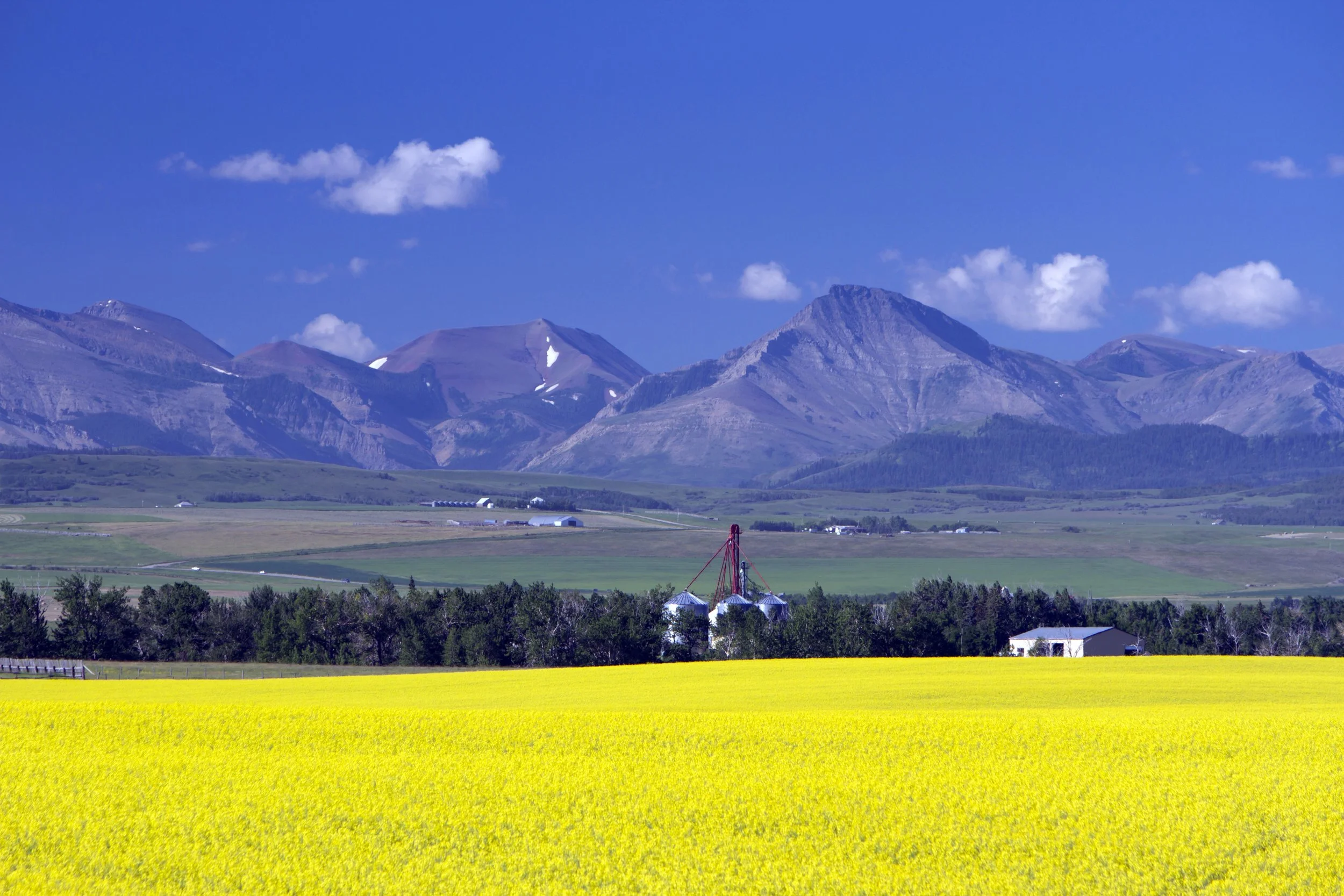


You can search Google Maps, unfold an Alberta road map, or follow the highways north of Edmonton, but you won’t find Coverville. Coverville is the fictional Alberta town I created for my novel, What Remains After. However, its feeling, its atmosphere, is not fictional. It grew out of the Alberta communities I’ve lived in, visited, and loved, particularly Onoway, Spirit River and Rycroft, and Millet.