Please subscribe to my email newsletter for updates on my website and blog. You can do so in the sign-up block at the bottom of this page. Thank you!
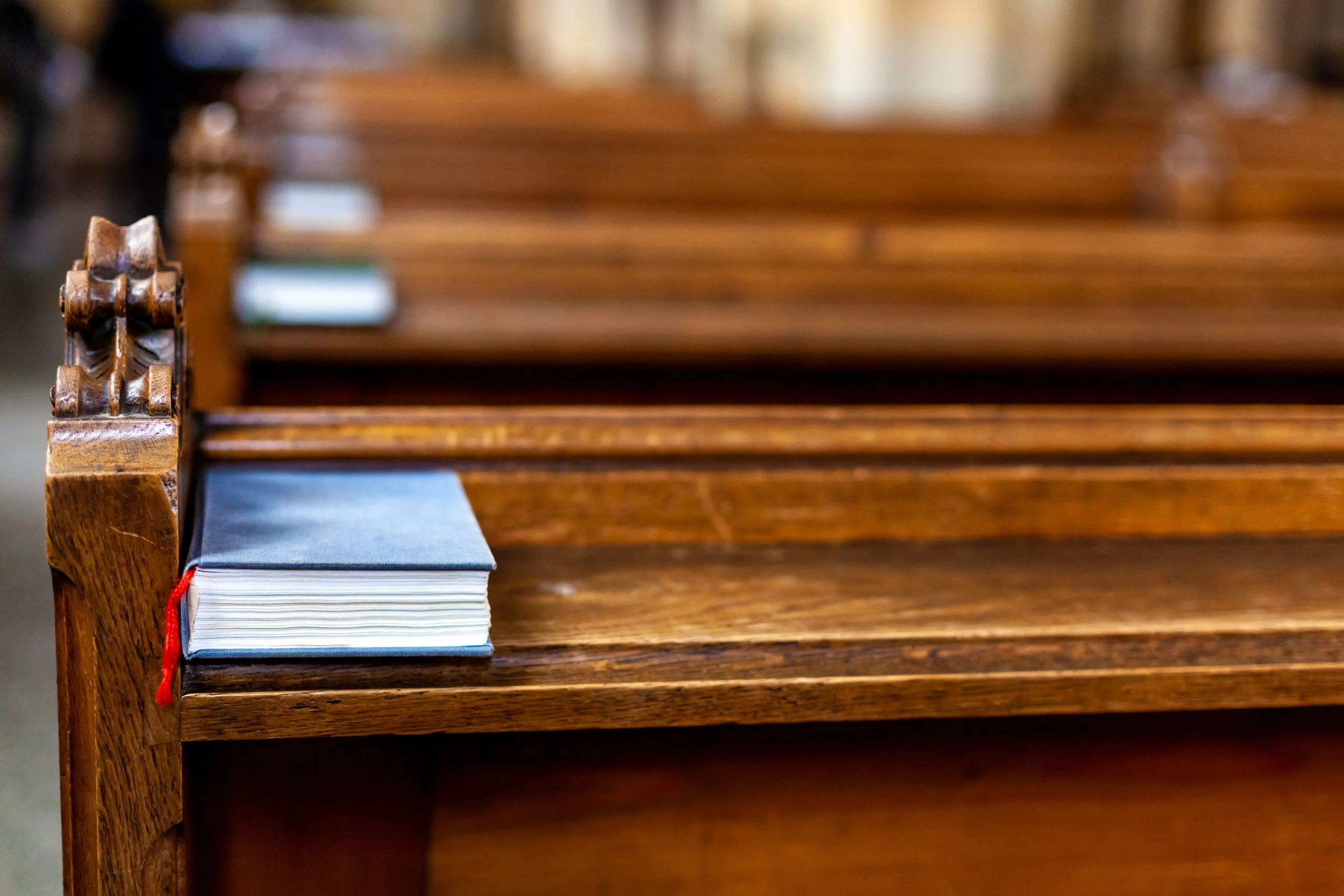
God hears our stories and believes us.
What happens when someone tells the truth about trauma and no one believes them? For many survivors, disbelief becomes a second wound that deepens the original harm. In this essay, I explore the importance of being heard, the biblical place of lament, and the role of truth-telling in healing.
Content Note: This essay discusses childhood abuse, trauma, and institutional failure in a non-graphic but potentially difficult way.
The Second Wound
Most people assume that after someone has experienced trauma, the deepest wound is the original harm they endured. Sometimes that is the case. But often, another wound follows. It occurs when someone tells their story and is not believed.
The moment someone says, "That didn't happen," "You're exaggerating," "You're too sensitive," "You must have misunderstood," or "Why didn't you say anything sooner?" a fresh wound is inflicted.
The original harm causes pain, but being disbelieved often deepens it.
I remember the first time I told someone what had happened to me, and I wasn't believed. Unfortunately, the person who didn't believe me was my mother. It broke my heart and taught me a lesson I had to unlearn years later:
Trust no one.
I don't know why she refused to accept the truth. She passed away without ever answering that question for me. Someday, the Lord may allow me to know. But her refusal intensified my pain and planted a deep distrust of others.
The first wound is the injury.
The second is the denial.
Human beings need more than protection from the original harm. As important as that is, they also need to be heard and believed.
Why Being Heard Matters
To be heard is to have one's experience acknowledged.
Being believed does not instantly heal trauma, but it restores something important to the person telling their story: Dignity. Agency. Voice. Reality.
In Epistemic Injustice (2007),¹ philosopher Miranda Fricker describes a form of injustice in which someone's credibility is unfairly dismissed by those unwilling to listen and believe. The harm is not merely emotional. Such dismissal denies a person the ability to know and testify to their own experience. It is a form of dehumanization.
When someone says, "I believe you," something critical happens. The survivor no longer has to carry the burden of proving reality.
The first person I told about my physical and sexual abuse was a friend my own age. They couldn't rescue me or remove me from my situation, but simply listening and believing me confirmed that what was happening to me was real and that I wasn't losing my mind. That validation carried me through a great deal of pain until I was old enough and brave enough to tell an adult.
Scripture understands this need more deeply than we sometimes realize.
God Preserves the Cries of the Wounded
The Bible does something remarkable. It records human protest and lament. It doesn't sanitize human suffering. Instead, it preserves it within its pages.
In Psalm 13, David cries, "How long, O LORD? Will you forget me forever?" (Psalm 13:1, ESV)
How often have we felt as though God had forgotten us? The Holy Spirit did not inspire the writers of Scripture to hide these cries. Instead, He preserved them.
In Psalm 22, David cries, "My God, my God, why have you forsaken me?" (Psalm 22:1, ESV) Again, we hear the anguish, confusion, and loneliness in his words.
In Habakkuk 1, the prophet asks, "Why do you make me see iniquity, and why do you idly look at wrong?" (Habakkuk 1:3, ESV) He does not hold back his protest, and God receives his lament.
Throughout Scripture, we encounter people who questioned God, struggled to understand His will, and wrestled with His apparent silence. And that's okay. God did not erase those voices. He preserved them. The Bible contains lament because God does not require suffering people to pretend.
For years, I would cry out to God in my pain and then immediately feel guilty, fearing He would be angry with me for questioning Him. Then a Christian friend reminded me of these passages of lament and helped me understand something I had never fully considered.
When I bring my pain honestly before God, I am expressing faith. I am trusting that He hears me. That my prayers matter. That my suffering matters to my Heavenly Father.
Lament and protest, when brought honestly and reverently before God, become acts of faith rather than signs of unbelief. God is there, ready to listen, comfort, and reassure us of His love, power, and grace.
Unfortunately, human institutions do not always respond in the same way.
When Silence Becomes Complicity
Some institutions ignore survivors' voices. That is where injustice begins to flourish. Harm deepens when witnesses look away, leaders dismiss legitimate concerns, communities protect reputations rather than vulnerable people, and institutions prioritize peace or the status quo over truth.
In my novel, What Remains After, there are several examples of people in the community who knew what was happening to Beth and Otto but chose to do nothing because getting involved would have been inconvenient. Government institutions also hesitated to act until the children were in grave danger.
My own experience wasn't much different. When I finally disclosed my abuse to a school counselor, she chose to tell my mother rather than fulfill her responsibility to notify child protective services. I fell through the cracks of the system.
Many vulnerable children still do. Every day.
Silence rarely remains neutral. It is a decision to do nothing. It becomes part of the problem instead of part of the solution. More often than not, silence protects the status quo rather than the injured.
Scripture repeatedly speaks against this kind of indifference.
Speaking for Those Who Cannot Speak
In Proverbs 31:8–9, we are told: "Open your mouth for the mute, for the rights of all who are destitute. Open your mouth, judge righteously, defend the rights of the poor and needy." (ESV) Biblical justice is not passive. It requires action.
That action includes listening, believing, investigating, protecting the vulnerable, and advocating for those who cannot advocate for themselves. Belief alone is not justice, but justice rarely begins without someone first listening.
In my childhood, there were adults who knew the truth but chose not to intervene. That was wrong. It was sinful. For me, there was no justice. Today, I have chosen forgiveness over pursuing justice for myself. That decision was neither quick nor easy, but it was one I believe God called me to make. Still, my experience raises an important question for other survivors.
What If No One Believed You?
Perhaps you still carry wounds that were never believed. If so, I am deeply sorry.
Not everyone receives validation. Not everyone receives justice. Not everyone receives an apology. But someone else's refusal to believe you does not change reality.
Truth remains true even when it is denied. Someone else's refusal to acknowledge your experience does not erase it.
Learning to trust again after being dismissed can be incredibly difficult. Yet healing often begins when we allow safe people into our stories. Seek out wise, trustworthy people who will listen with compassion. That may include a trusted friend, a pastor, a professional counselor, or another survivor who understands.
Whatever you do, don't retreat into silence. Keep telling the truth until someone listens. It took me telling three adults before I finally found one who believed me. That was when healing truly began.
Truth Before Forgiveness
Many survivors feel pressured to forgive on other people's timetable.
I've explored this subject more fully in an earlier essay, "Forgiveness Is Not Sentiment." Here, I simply want to make one important point.
People are often encouraged to forgive immediately, move on, "let it go," or pretend it never happened. Healing rarely works that way. Forgiveness and truth are not enemies. But forgiveness cannot be built upon denial. Healing requires honesty. That is why truth-telling matters, being believed, and naming harm matter.
In What Remains After, Beth gradually learns that acknowledging the truth of what happened to her becomes the beginning of forgiveness and healing. Her goal is not revenge. It is reality.
And that brings us back to where we began.
If You've Ever Felt Unbelieved
The second wound is real.
Being unheard, dismissed, and doubted hurts. If this has happened to you, I hope you know this: Your experience is not defined by someone else's refusal to acknowledge it. You deserve to be heard, to tell the truth, and to have your story treated with dignity.
Healing often begins not when someone explains your pain, but when someone finally says, "I believe you."
About What Remains After
The theme explored in this essay is woven throughout my novel, What Remains After. The story follows Beth Clark as she confronts childhood trauma, buried truths, wounded faith, and the challenge of trusting God when life defies a predictable path.
Note: What Remains After is a literary psychological suspense novel set in rural Alberta, exploring childhood trauma, faith, survival, truth-telling, and healing across two timelines. The novel is available now on Amazon in Canada and the United States.
Blessings,
Pauline J. Grabia
Stories of Consequence
Fiction that faces the dark, but ends in light.
References
Fricker, Miranda. Epistemic Injustice: Power and the Ethics of Knowing. Oxford: Oxford University Press, 2007.
FAQs:
Why does being disbelieved hurt so deeply?
When someone dismisses a survivor's experience, it creates a second wound. Beyond the original trauma, disbelief undermines dignity, trust, and confidence in one's own memories and voice.
What is epistemic injustice?
Philosopher Miranda Fricker describes epistemic injustice as a form of harm in which someone's credibility is unfairly denied. Survivors of abuse often experience this when others refuse to believe or acknowledge their testimony.
Does the Bible allow us to lament?
Yes. Scripture contains numerous examples of lament, including the Psalms, Habakkuk, Job, and Lamentations. God welcomes honest cries of grief, confusion, and sorrow rather than demanding silent suffering.
Can forgiveness happen before the truth is acknowledged?
Forgiveness and truth are not enemies. However, genuine forgiveness cannot be built upon denial. Healing begins by honestly naming what happened.
What should someone do if no one believes them?
Seek out safe and trustworthy people who will listen with compassion. Trusted friends, pastors, professional counselors, or support organizations can provide validation and help begin the healing process.
Related Posts:





A scene may be straightforward on the page yet still leave the writer staring at the cursor, reluctant or even unable to write. Some chapters are difficult because the writer doesn't know what should happen next. Others are difficult because the writer knows exactly what must happen but doesn't want to go there.