Join the Stories of Consequence Circle!
For readers drawn to fiction that faces the dark but ends in light.
No noise. No spam. Just stories and reflections when they’re ready.
Your privacy matters. Please see my privacy policy in the menu bar at the top of the page.
Inside the Story Series # 3: Why Consequences Matter More Than Plot Twists
Have you ever finished a mystery story, admired the final twist, and then forgotten the story a few minutes later? How about a book you've read that you still remember years later? Perhaps you've gone back to it and read it repeatedly. What is the difference between these books that elicits such a different response?
Inside the Story Series # 2: Why I Write Ordinary Heroes – The Quiet Courage That Changes Lives
One thing you'll notice in my novel, What Remains After, and in the short stories on my blog is that I don't write about superheroes. I write about ordinary people who find themselves in extraordinary circumstances and are compelled to act. That's what courage often looks like in real life. The people who change or even save lives rarely wear uniforms or capes. More often, they're neighbors, teachers, pastors, relatives, foster parents, friends, or even strangers who choose not to look away.
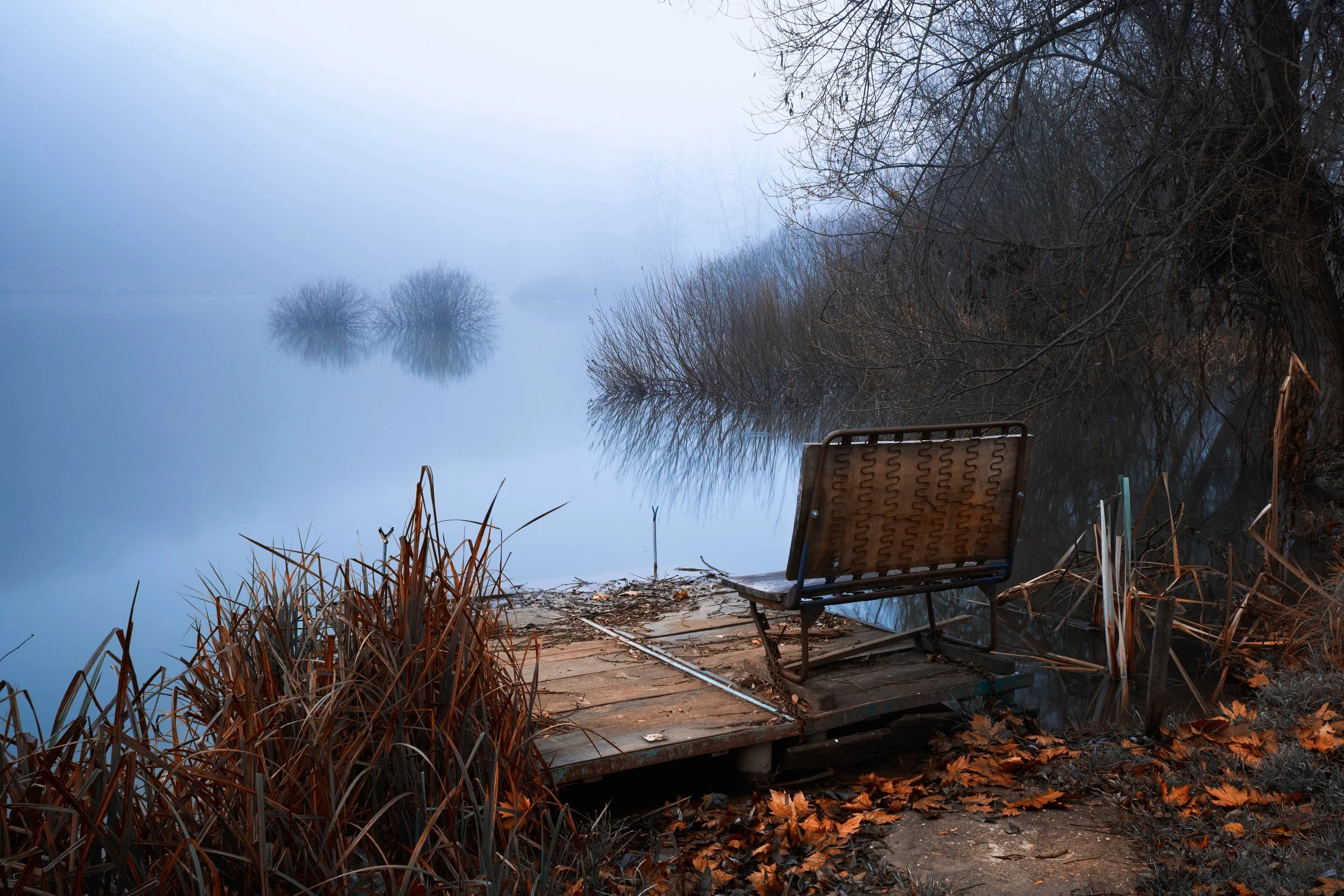
Why This Story Might Be Difficult and Why That Matters: Why Some Stories Refuse Easy Answers
Yet some stories ask something different of us. They invite us not to escape reality but to engage with it. My new novel, What Remains After, belongs to that second category.

If You've Ever Felt Unbelieved: Why Being Heard Matters After Trauma
Most people assume that after someone has experienced trauma, the deepest wound is the original harm they endured. Sometimes that is the case. But often, another wound follows. It occurs when someone tells their story and is not believed.

When You Realize a Story Is Bigger Than You: What Writing a Novel Taught Me About Story, Faith, and Humility
Most writers begin a story with a clear idea of what they are creating. They know the plot, at least in broad strokes, if not in every detail. They've developed character profiles and may have even made character boards for them on Pinterest or sketched out how the characters look. They understand the central conflict, though it may change as they begin writing. They usually know the ending, though this may change during the writing process.
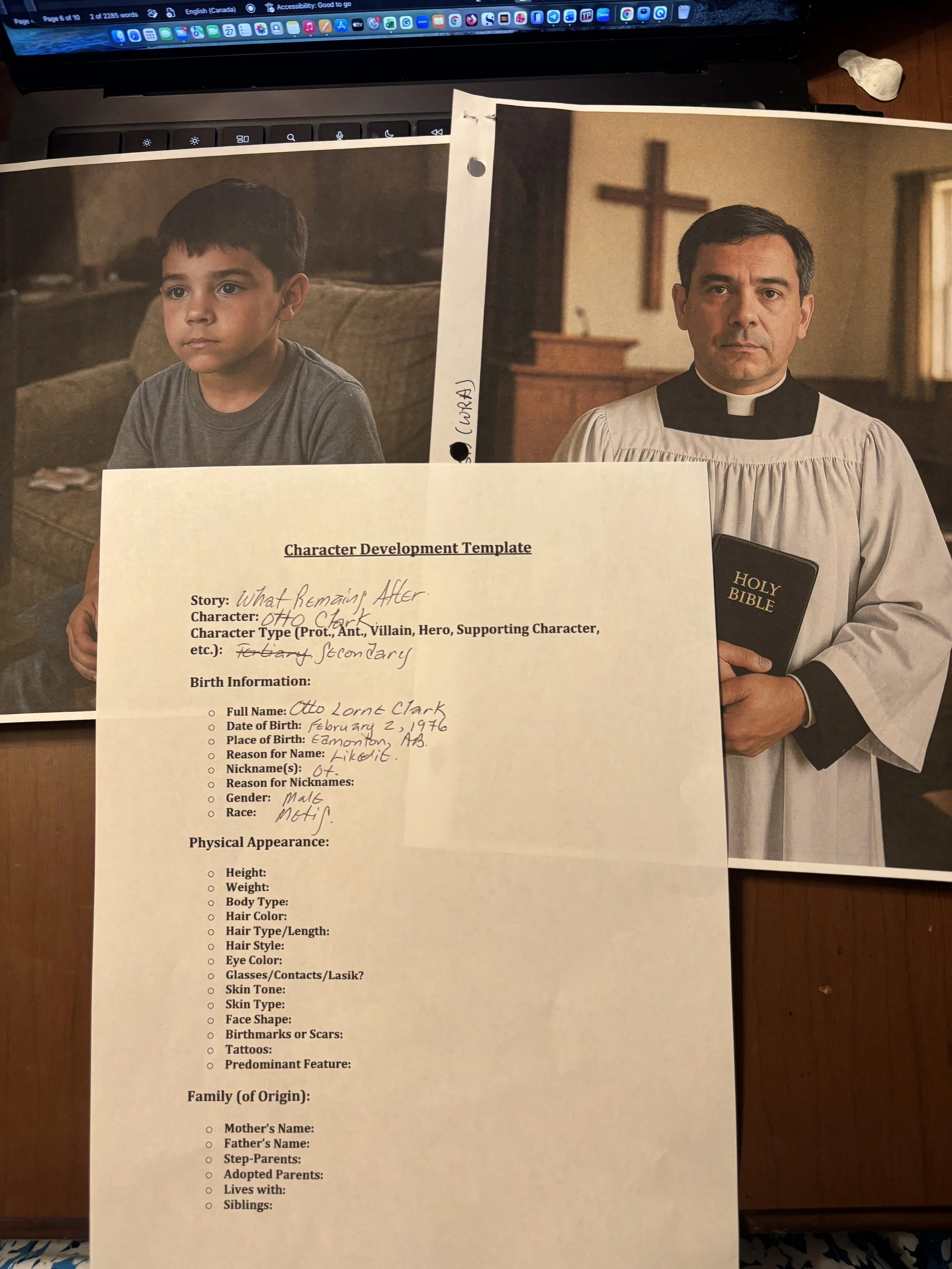
Why Some Characters Refused to Behave: What Fictional Characters Taught Me About Human Nature
… There are moments in their stories when a character refuses to do what they were intended to do. This isn’t necessarily because the writer loses control, but because the planned action no longer feels true.
Light Shines Best amid Darkness
Recently, I submitted a manuscript to a developmental editor. That novel, FOR MAGGIE, is a project I have been working on in various forms for over half a decade. I was puzzled when my editor returned with the question of what genre I was writing in. I thought it was clear. My story is a Christian romantic suspense. My editor informed me that because my manuscript contained Christian themes, mentioned Christ, and quoted scripture, secular publishers or audiences would not accept it. I was aware of this. What surprised me was when she told me that due to the “dark subject matter,” it wouldn’t be accepted by Christian publishers or audiences, either. I had to decide whether to eliminate the spiritual elements from my book to target a secular audience or to lighten the subject matter and remove certain sections to appeal to the Christian market. I felt frustrated that, as a writer, I couldn’t explore the dark nature of the human condition and still be considered “Christian.”