Is What Remains After the Right Book for You?
Please subscribe to my email newsletter for updates on my website and blog. You can do so in the sign-up block at the bottom of this page. Thank you!
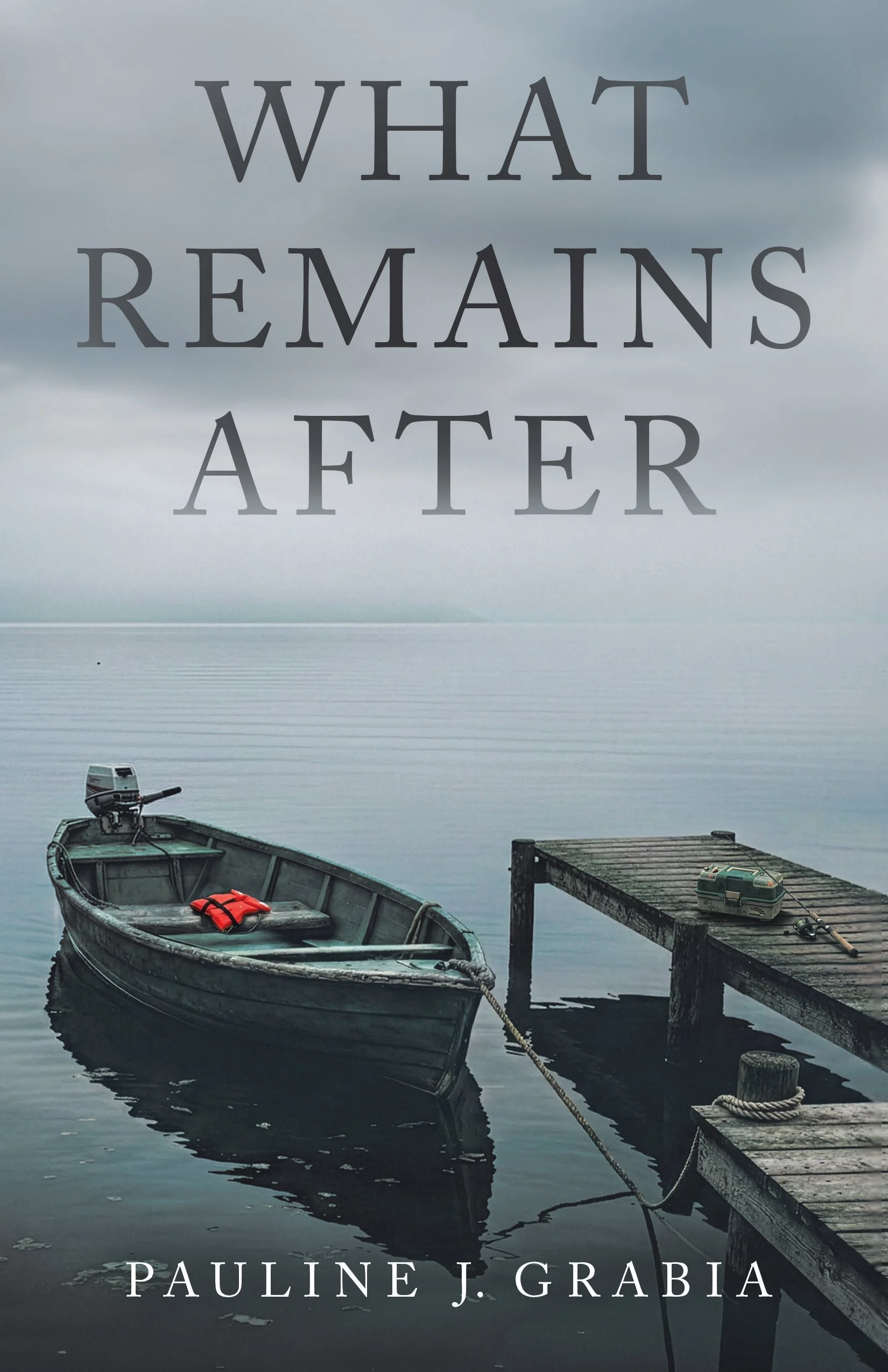
This book is for many, but not for everyone. Is it for you?
Is What Remains After the right book for you? Not every novel is written for every reader, and that's perfectly okay. In this essay, I explain who my literary psychological suspense novel was written for, what readers can expect from its themes of trauma, faith, forgiveness, and healing, and why understanding a story's emotional tone matters before turning the first page.
Not Every Story Is Written for Every Reader
One of the biggest lessons I've learned as both a writer and a reader is that no book is for everyone. That doesn't mean a book is flawed. It's simply the reality of storytelling. Readers have personal tastes, preferences, and backgrounds that influence the kinds of books they enjoy.
There have been marvelous books by famous authors that I either haven't chosen to read or simply haven't enjoyed. Some of these include, dare I say it, classics like Pride and Prejudice, Jane Eyre, and Heart of Darkness. I was forced to read Lord of the Flies in school, and I detested it. I appreciate historical fiction, but it's generally not my cup of tea. Nor are pure romance novels or the fantasy genre. That's not to say there's anything wrong with these books or genres. They simply don't appeal to me.
Readers come to stories with different expectations. Some seek adrenaline-pumping adventure and action. Others seek comfort or escape from real life. Still others seek deeper truths. Before readers pick up my novel, What Remains After, I think it's important to understand what kind of story it is.
This Book Is an Invitation
What Remains After is an invitation for readers who can sit with complexity, who understand that human beings are rarely all good or all bad, and that communities are complicated ecosystems whose systems don't always function as they should. These readers appreciate that families are complicated too and aren't always healthy. They understand that healing is a process that isn't neat, tidy, or automatic.
Beth's story in What Remains After is deeply shaped by childhood trauma, neglect by systems that should have protected her, and a healing journey that is neither easy nor linear. Readers who understand that recovery rarely follows a simple pattern, and that progress and setbacks often exist side by side, will appreciate this novel.
This novel is also for those who believe that light and darkness coexist in our world. Faith in God doesn't guarantee a life free from suffering. Suffering and hope often occupy the same space. Faith and doubt can coexist. Grace appears in some of the most unexpected places. That's what you'll find in What Remains After, and understanding that helps explain what this novel is not.
What This Book Is Not
Clarifying expectations about my novel is an act of kindness.
What Remains After is not escapist fiction. There is nothing wrong with a good novel that carries you away from the cares of this world. We all need that sometimes. But that's not What Remains After. This novel deals with difficult realities: trauma, abuse, and systemic failure, among others. It asks readers to engage emotionally and doesn't shy away from uncomfortable truths, truths that may make you squirm a little.
This novel also isn't a fast-paced thriller. While there is plenty of suspense, the story's primary focus is character and consequence. The emotional journey and character arcs matter just as much as the plot.
Finally, What Remains After is not sentimental faith fiction. Faith and grace are present throughout the story and are deeply important. But faith doesn't eliminate suffering. Characters wrestle with difficult questions, including questions for God Himself. Lament is present, and answers are not always immediate.
I wanted readers to know that even in the darkest seasons of life, there is always light and hope by God's grace. But I wanted to portray that reality honestly rather than idealistically, as some novels of faith are inclined to do. Faith in God isn't all sunshine and roses. It also involves seasons of testing, trials, and lament. Scripture makes this abundantly clear through the lives of the people recorded in its pages.
So, if What Remains After isn't any of the things I've listed above, then what is it?
The Kind of Story I Tried to Tell
My author brand is rooted in Redemptive Realism, portraying the truth about life's darker realities while leaving room for light and hope.
My stories are consequence-driven. Characters' actions matter. Their choices have lasting effects, not all of them positive. The past shapes the present.
I also write emotionally layered stories that explore themes such as trauma, memory, family, forgiveness, and faith. They are quietly redemptive. Redemption is always present, but it is rarely simple or easily earned. Hope is there, too, but it often emerges gradually.
What Remains After faces darkness honestly, but it doesn't leave readers there. Some of the themes I explore require a particular kind of readiness.
Why Not Every Reader Is Ready for Every Story
Different seasons of life affect what readers are able to engage with. If someone is grieving, they may not be able to read a story where grief is a central theme. That's completely understandable. Someone with a history of trauma may find another person's traumatic experiences deeply triggering. Someone experiencing burnout may find emotionally heavy fiction simply too much to carry. Someone struggling spiritually may find the novel's subject matter overwhelming for a season.
That's okay.
In the book of Hebrews, we are told, "But solid food is for the mature..." (Hebrews 5:14). Maturity here isn't about intelligence or worthiness. It's about readiness. Sometimes we're ready for a difficult story. Sometimes we're not.
It's taking me a long time to finish Charles Martin's The Keeper, not because it isn't excellent. Quite the opposite. It's an extraordinary novel. But it deals with grief and recovery, and I'm walking through grief myself. I find I have to read it slowly, taking my time.
That's okay. When I'm ready, I'll finish it. Both realities, being able and not being able, deserve respect. This is why boundaries matter.
Boundaries Are a Form of Kindness
Content expectations aren't barriers. They're honest invitations.
Readers deserve to know the emotional tone, major themes, and potentially difficult subject matter before they begin a book. That's why I included a content note at the beginning of What Remains After. I wanted to help protect readers from being unintentionally harmed by its subject matter.
Clarity protects readers. It also protects stories. And it builds trust between writer and reader. My goal isn't to convince everyone to read my novel. It’s to help the right readers find it.
Which brings me to one final thought.
If This Book Is for You
Not every story is written for every reader. If you're looking for easy answers, uncomplicated heroes, and tidy resolutions, this may not be the novel for you. And that's perfectly okay.
But if you're willing to sit with complexity in character, plot, and emotion, including wounded faith, difficult truths, imperfect people, and slow healing that requires time, hard work, and grace, What Remains After just might be for you.
This story faces darkness, plenty of it. But I promise you, it doesn't end there.
The readers who seem to connect most deeply with this novel are often those who already understand that healing, like faith, is rarely simple but worth the journey.
Much of what is explored in this essay is woven throughout my novel, What Remains After, which examines trauma, memory, faith, survival, and the search for healing in a small Alberta community.
What Remains After is available now on Amazon in Canada and the United States.
Blessings,
Pauline J. Grabia
Stories of Consequence
Fiction that faces the dark, but ends in light.
FAQs:
Is What Remains After a thriller?
Not in the traditional sense. While the novel contains suspense and moments of danger, it is best described as literary psychological suspense. The story focuses as much on character, emotional consequence, and healing as it does on the mystery itself.
Is What Remains After difficult to read emotionally?
It can be. The novel explores childhood trauma, abuse, neglect, grief, and systemic failure. While these subjects are handled thoughtfully rather than graphically, they may be emotionally challenging for some readers. A content note is included at the beginning of the book to help readers make an informed decision.
Is What Remains After a Christian novel?
Faith is an important part of the story, but What Remains After is not traditional Christian fiction. The novel portrays faith honestly, including seasons of doubt, lament, unanswered questions, and suffering. It does not offer easy answers or idealized characters.
Is What Remains After based on a true story?
No. It is a work of fiction. However, many of the emotional experiences, themes, and community dynamics are drawn from realities that survivors of trauma often recognize, making the story feel authentic and deeply human.
Who would enjoy reading What Remains After?
Readers who appreciate emotionally layered fiction, literary psychological suspense, family drama, stories of healing, and novels that wrestle honestly with faith, forgiveness, and the long-term effects of trauma will likely connect with this book.
Who may want to choose a different book right now?
If you're looking for light escapist fiction, a fast-paced action thriller, uncomplicated heroes, or stories that avoid difficult emotions, this may not be the right book for you at this season of life. And that's perfectly okay. Not every story is written for every reader.
Does What Remains After have a hopeful ending?
Yes. The novel doesn't ignore darkness or suffering, but neither does it leave readers there. At its heart, What Remains After is a story of grace, healing, forgiveness, and hope.
What is Redemptive Realism?
Redemptive Realism is the term I use to describe the kind of stories I write. Rather than avoiding life's darker realities or offering easy answers, Redemptive Realism tells the truth about suffering while leaving room for grace, hope, and redemption. It recognizes that healing is often slow and difficult, but that light can still be found, even in the darkest places.
Related Posts:


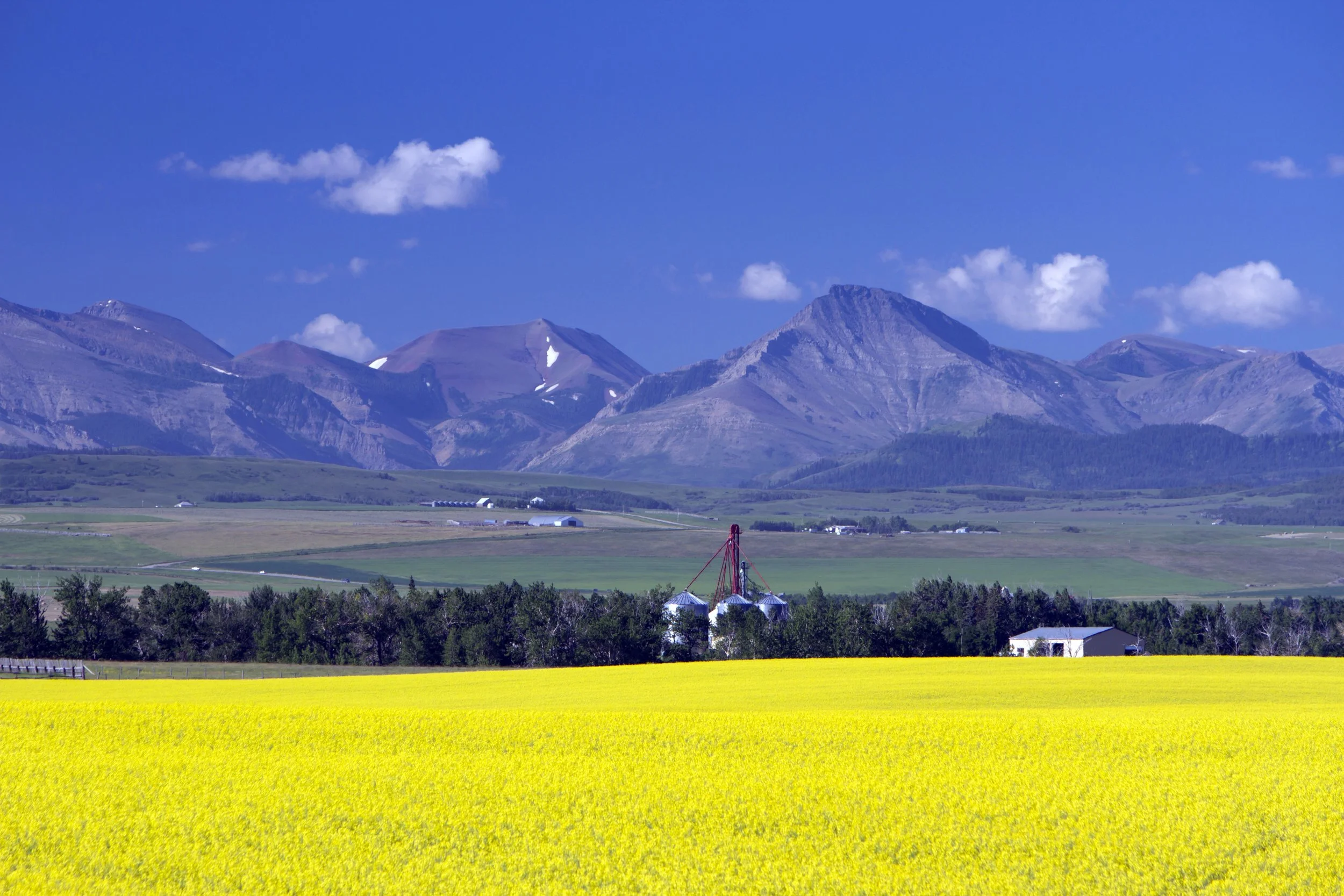


You can search Google Maps, unfold an Alberta road map, or follow the highways north of Edmonton, but you won’t find Coverville. Coverville is the fictional Alberta town I created for my novel, What Remains After. However, its feeling, its atmosphere, is not fictional. It grew out of the Alberta communities I’ve lived in, visited, and loved, particularly Onoway, Spirit River and Rycroft, and Millet.