Writing Women Who Refuse to Disappear
Please subscribe to my email newsletter for updates on my website and blog. You can do so in the sign-up block at the bottom of this page. Thank you!

Mothers are women who are heroes by being there, refusing to disappear.
Gentle note to readers:
This reflection addresses themes of trauma, resilience, faith, and women’s lived experiences. These topics are approached thoughtfully and with hope, but please read at your own pace.
I write about women who refuse to disappear. Women who continue to show up when history, culture, or circumstance would prefer their silence.
Before this is misunderstood, let me be clear. This is not a modern feminist manifesto. I believe deeply in the inherent dignity and value of women because they are created in the image of God. I believe women and men are equal in worth and beloved equally by Him. Scripture itself affirms this. Proverbs 31 describes strong, capable, productive women as virtuous and holy. Yet I do not align myself with contemporary feminist frameworks as they are often presented. My concern is not ideology, but witness.
The problem I see in much of fiction is not that it celebrates strong women, but that it too often limits strength to the extraordinary. Queens. Warriors. Icons. The courage of ordinary women is frequently overlooked. Mothers raising children in hostile environments. Caregivers holding families together quietly. Women of faith serving faithfully in unseen places. Survivors carrying wounds with dignity. These lives are no less sacred. They deserve to be seen.
Writing women honestly means allowing them to be fully human. Strong and flawed. Faithful and afraid. Resilient not because they are unbreakable, but because they endure. Many of the women in my stories do not conquer through spectacle. They persist. They survive. They remain standing by God’s grace.
Mainstream literature often sidelines women from working-class, rural, or faith-based communities. Their perseverance is treated as mundane rather than meaningful. Yet Scripture tells a different story. God sees the woman who keeps her lamp burning despite exhaustion and sorrow. He remembers faithfulness that history ignores. “Many women do noble things,” Proverbs tells us, “but you surpass them all” (Proverbs 31:29). Jesus Himself affirmed this truth when He promised that the woman who anointed Him would be remembered wherever the gospel is preached (Mark 14:9). God remembers what the world forgets.
The women I write are complex. They carry doubt and pain. They are marked by trauma and contradiction. They do not emerge perfected. They emerge changed, sometimes still healing. Grace does not erase their suffering. It redeems it.
There is a holy tension between vulnerability and strength. Grace is not an escape from hardship, but a presence within it. God’s power is revealed not in invulnerability, but in weakness. Jesus said to Paul, “My grace is sufficient for you, for my power is made perfect in weakness” (2 Corinthians 12:9). In my fiction, every fracture carries light. Every wound becomes a place where grace enters.
I’ve said this is not a treatise on modern feminism, but I do believe Scripture offers a vision of dignity that surpasses cultural categories. In Christ, women and men are equal heirs of grace. Paul affirms this plainly: “There is neither Jew nor Gentile, neither slave nor free, nor is there male and female, for you are all one in Christ Jesus” (Galatians 3:28). The Gospel does not diminish women. It restores them.
Jesus welcomed women as disciples and witnesses. They followed Him, supported His ministry, learned from Him. He spoke with the Samaritan woman, received the tears of the woman who anointed His feet, and defended women whom others dismissed. When His male disciples fled, women remained at the cross. When He rose from the dead, women were the first to see Him and the first to proclaim the resurrection. The first preacher of the risen Christ was a woman, Mary Magdalene, still breathless with wonder (John 20).
Women’s stories are not footnotes. They are the heartbeat of human history. Through What Remains After and my other work, I seek to honor that truth. I write women who refuse to disappear. Not to make them larger than life, but to bear witness to the sacred significance of lives the world often overlooks.
Ordinary does not mean insignificant. Quiet does not mean forgotten. God is present in perseverance.
This space exists to honor lives lived faithfully, often unseen. To remember women whose courage did not announce itself, but endured.
If you recognize quiet strength in your own story or in the women who shaped you, then you already understand why these stories must be told.
Stories of Consequence
Fiction that faces the dark, but ends in light.
May God bless you richly,
Pauline J. Grabia
Here are two amazing women: my daughters, who are both amazing moms to their little ones!
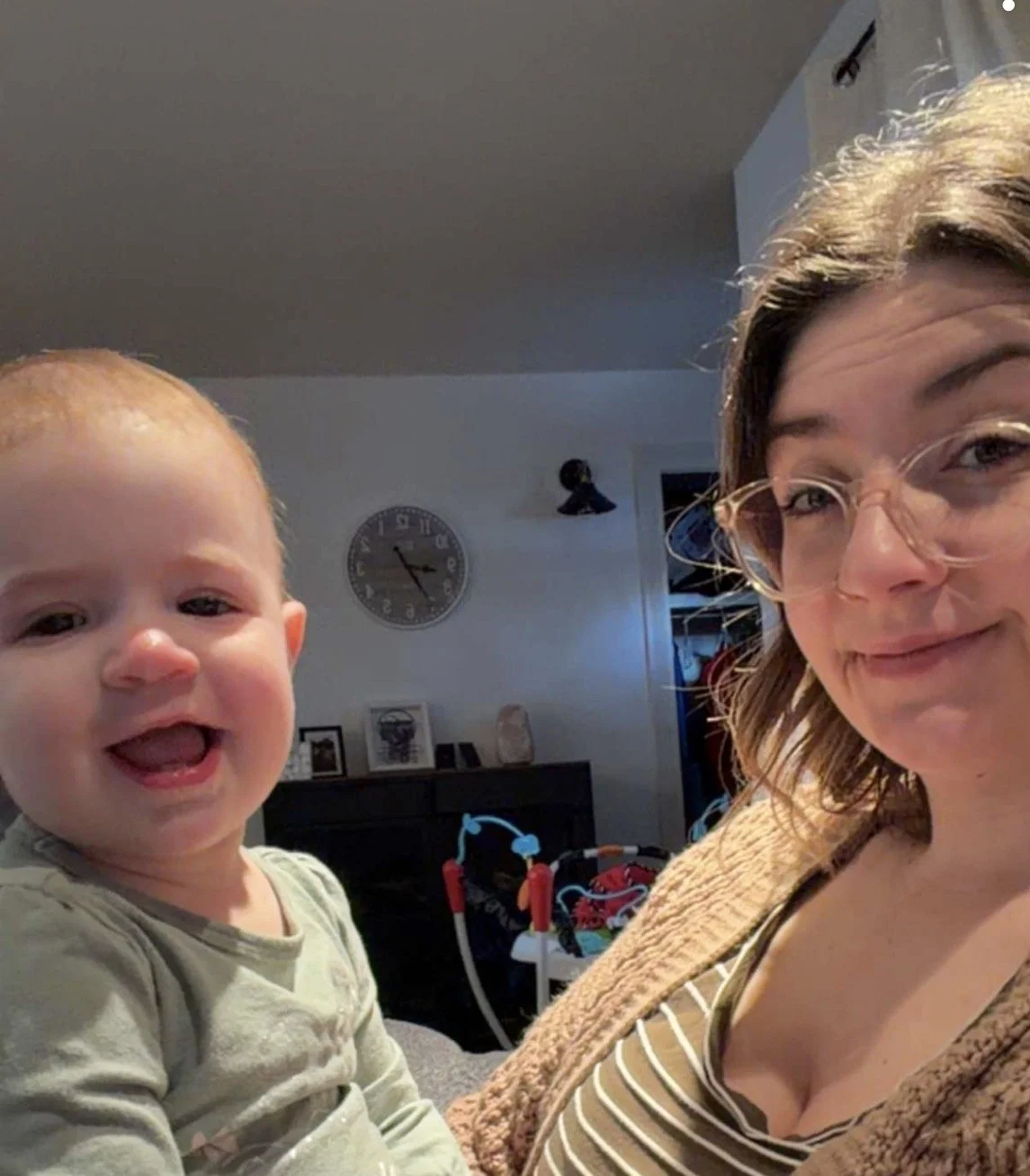
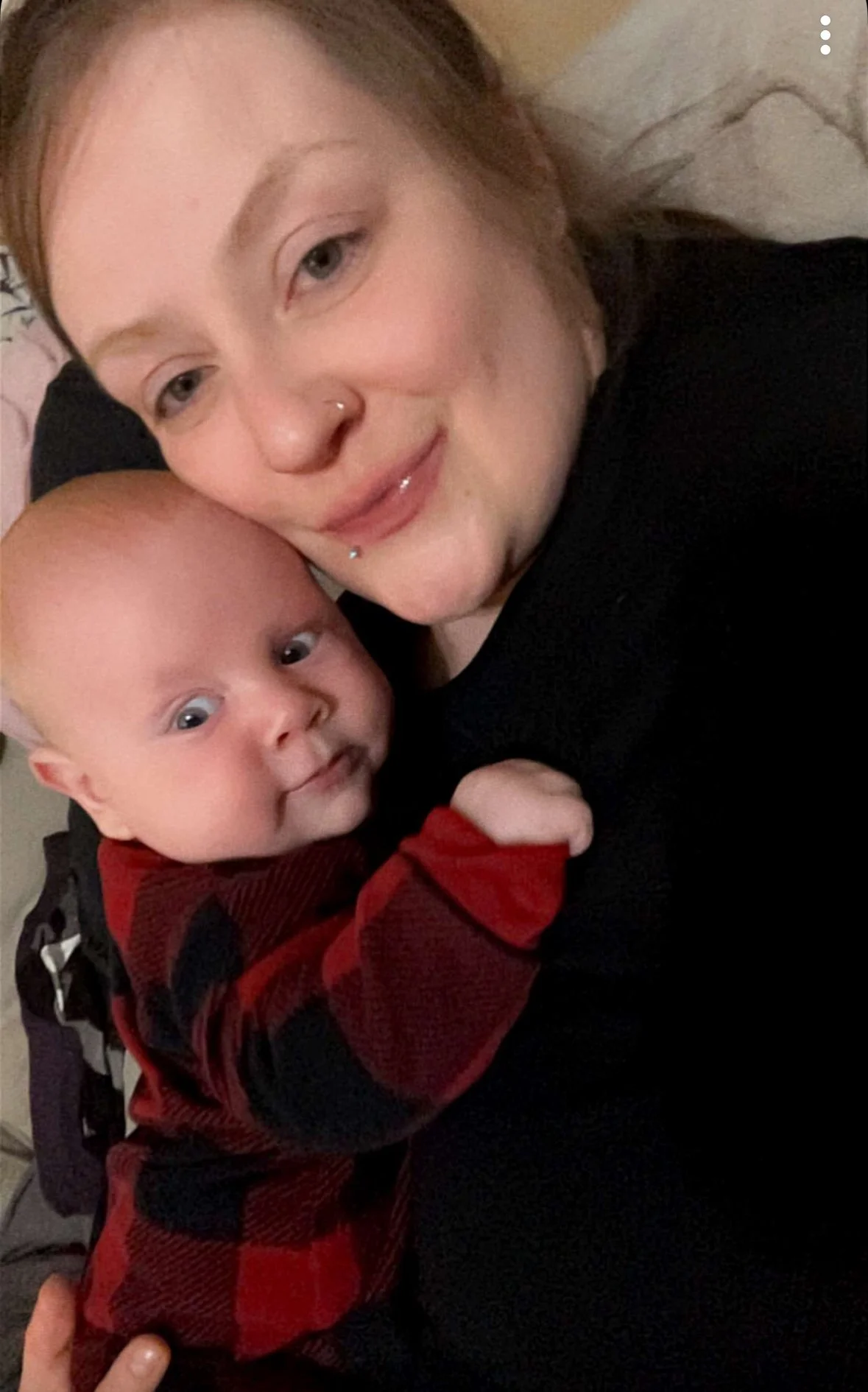
Left Photo: My daughter Meagan with my granddaughter, Adeline. Right Photo: My daughter Emily with my grandson, Lincoln.
Related Posts:





You can search Google Maps, unfold an Alberta road map, or follow the highways north of Edmonton, but you won’t find Coverville. Coverville is the fictional Alberta town I created for my novel, What Remains After. However, its feeling, its atmosphere, is not fictional. It grew out of the Alberta communities I’ve lived in, visited, and loved, particularly Onoway, Spirit River and Rycroft, and Millet.