What Remains After Survival? Trauma, Faith, and the Long Road to Healing
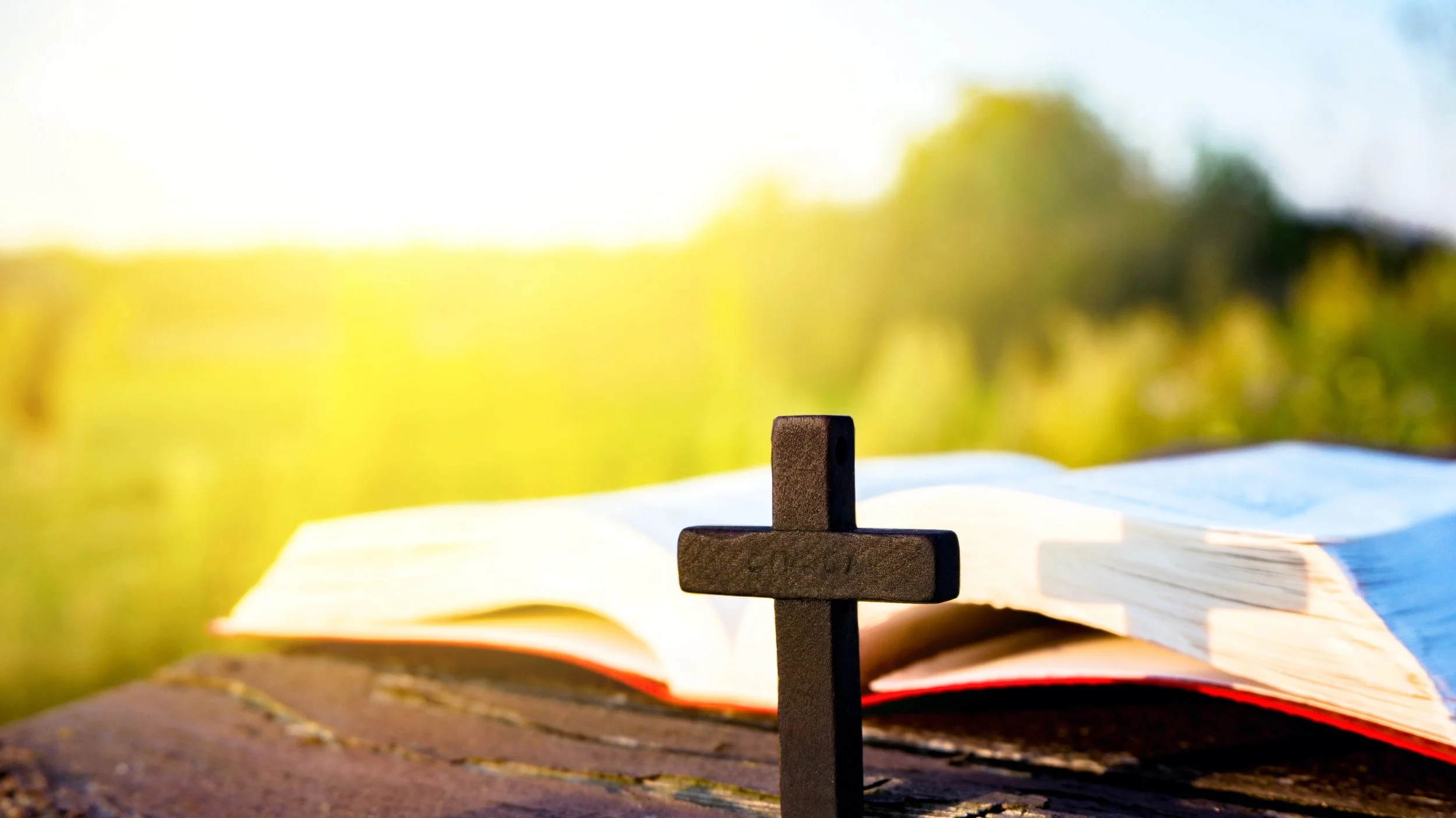
The road to healing is often along one.
Please subscribe to my email newsletter for updates on my website and blog. You can do so in the sign-up block at the bottom of this page. Thank you!
What happens after trauma ends? Survival is often celebrated as the final victory, but both Scripture and trauma research suggest that survival is only the beginning. In this essay, I explore what remains after survival: memory, faith, truth-telling, healing, and the search for meaning in the wake of suffering.
Survival Is Not the End of the Story
There is a myth in modern stories that survival is the ultimate victory. If someone gets through the story, everything seems settled. Survival is often the peak moment. In many cultures, storytelling focuses on rescue or escape from hardship and enduring through it. Phrases like “You were so strong” or “At least you survived” can unintentionally oversimplify what happens next.
What Scripture Teaches About Survival and Suffering
Scripture rarely considers survival as simply reaching the end. There are many examples of unexpected aftereffects. Elijah survived Jezebel and her prophets, only to collapse in despair (1 Kings 19:4). Job endured devastating losses one after another, but that wasn’t the conclusion for him—he spends chapters wrestling with their meaning (Job 3–31). The Israelites survived slavery in Egypt and the dramatic Exodus, but they wandered in the wilderness for forty years before entering their “promised land” (Exodus–Numbers). Survival in the Bible isn’t like surviving at the end of most thrillers we read or watch. It is often followed by disorientation, lament, and redefinition. Yet Scripture also offers hope. Jesus said, “In this world you will have trouble. But take heart: I have overcome the world” (John 16:33).
What Trauma Research Says About Life After Survival
So what lingers after danger and conflict pass? Scripture suggests that survival is only the beginning of the story. Modern trauma research echoes this insight in striking ways. When danger ends, the body and mind do not instantly return to neutrality. Research in trauma psychology shows that the nervous system can remain dysregulated even after the threat is gone (Van der Kolk, 2014). In fact, memory fragmentation and hypervigilance are common long after events end. There are other survival responses as well. The fight, flight, freeze, and fawn impulses can persist.
“Fight” may lead to patterns of anger or irritability, controlling behavior, defensiveness, aggression, or hypervigilance (Cannon, 1915; Van der Kolk, 2014). The “flight” instinct might lead to avoidance of conflict, workaholism or constant busyness, anxiety and panic, perfectionism, or difficulty slowing down (Levine, 1997; Porges, 2011). “Freeze” may look like chronic indecision, emotional numbness, depression, or feeling stuck (Ogden et al., 2006; Van der Kolk, 2014). Finally, “fawn” could manifest as people-pleasing, difficulty setting boundaries, over-apologizing, or codependency (Porges, 2011; Walker, 2013).
The Lasting Effect of Trauma on Relationships and Faith
These patterns have relational consequences. Trust shifts or becomes difficult to establish. Authority is reinterpreted. Faith in God may feel altered, especially when that faith has been wounded. Lamentations 3:19–23 describes how memory and bitterness coexist with hope. Paul expresses something similar: “Pressed but not crushed… struck down, but not destroyed” (2 Corinthians 4:8–9). But “not destroyed” does not mean the same thing as “untouched.” After crises, families reorganize, and roles can shift. Children may begin behaving more like parents to their siblings—or even to their parents. Or silence may become the rule: don’t talk about it. Mum’s the word. Responsibility emerges.
This is evident biblically as well. Cain endured exile after killing his brother, but he bore a mark for the rest of his life (Genesis 4:15). The apostle Peter survived denying Jesus during the trial and crucifixion, but he had to face the risen Christ and humbly accept restoration (John 21). Survival demands acknowledgment. In this way, memory functions as moral territory. Scripture repeatedly commands active remembering. Deuteronomy 8:2 urges Israel to remember the long journey through the wilderness, and Psalm 77:11 declares, “I will remember the deeds of the Lord.”
Memory, Forgiveness, and Truth-Telling After Trauma
Memory can both wound and anchor us, and survival is active, not passive. It requires a moral response. Scripture teaches that forgiveness is essential for moving forward after survival, a command from Christ Himself (Matthew 6:14–15). However, forgiveness is a one-way act and does not always lead to reconciliation, since reconciliation involves two parties and cannot be guaranteed—especially when safety is at risk. Rebuilding trust is also vital but challenging, often taking time and requiring the offender to earn it. Perhaps the most important moral response to survival is truth-telling. Without truth, there can be no accountability, forgiveness, trust, or hope for reconciliation in relationships.
Can Meaning Be Found After Trauma?
Can meaning be found in survival? It certainly doesn’t come immediately after a crisis, at least not fully. It tends to emerge slowly, often painfully. Scripture does not promise instant clarity. Paul presents it in Romans as a process: suffering produces perseverance; perseverance produces character; and character produces hope. The apostle James writes that endurance must “finish its work,” indicating that it is a process requiring effort and time. Ecclesiastes uses language about time and seasons to express the same idea.
Post-Traumatic Growth and the Search for Meaning
There is also a psychological parallel in post-traumatic growth research, which suggests that growth does not eliminate trauma but arises from integrating it rather than denying it (Tedeschi & Calhoun, 1995). In this way, the process of finding meaning is gradual.
Meaning is different from explanation. It is not about answering why something happened, but about asking what can be learned from it—who I am becoming because of it. This closely aligns with the idea of Redemptive Realism that I incorporate into my stories.
So what endures even when much is lost?
Grace Remains
John 1:5 says, “The light shines in the darkness, and the darkness has not overcome it.” The light in this verse is Jesus Christ and His grace. Grace is what endures. The Greek verb for “overcome,” katalambanō, can mean to overpower, to extinguish, or to comprehend. The light—Christ and His grace—is not extinguished or overpowered. It is not mastered by the darkness. Instead, it drives the darkness back. Darkness may wound, but it does not own the ending.
Paul reminds us in 2 Corinthians 4:16–18:
“So we do not lose heart. Though our outer self is wasting away, our inner self is being renewed day by day. For this light momentary affliction is preparing for us an eternal weight of glory beyond all comparison, as we look not to the things that are seen but to the things that are unseen. For the things that are seen are transient, but the things that are unseen are eternal.”
He also writes in Romans 8:38–39 that nothing can separate us from the love of God.
Survival is not the end; it is the beginning. It marks the start of rebuilding, reckoning, remembering, forgiving, and making choices. After surviving, relationships must be reassessed and, when possible, restored. There is a moral obligation to forgive, rebuild trust, and speak the truth. Memory and honesty are part of that work. It requires faith—even when that faith is wounded.
And finally, there is the light of Christ and His grace, which cannot and will not be extinguished.
Continue the Conversation
Many of the questions explored in this essay are woven throughout my novel, What Remains After, which examines trauma, memory, faith, survival, and the search for healing in a small Alberta community.
What Remains After is available now on Amazon in Canada and the United States.
Blessings,
Pauline J. Grabia
Stories of Consequence
Fiction that faces the dark, but ends in light.
Sources for Reading:
Cannon, W. (1915). Bodily Changes in Pain, Hunger, Fear, and Rage.
Herman, J. (1992). Trauma and Recovery.
Levine, P. (1997). Waking the Tiger: Healing Trauma.
Ogden, P., Minton, K., & Pain, C. (2006). Trauma & the Body.
Tedeschi & Calhoun. (1995). Post-Traumatic Growth: Positive Changes in the Aftermath of Crisis.
Van der Kolk, B. (2014). The Body Keeps the Score.
Walker, P. (2013). Complex PTSD: From Surviving to Thriving.
FAQs
What happens after survival?
Survival is often only the beginning. After danger passes, people may still struggle with memory, grief, trust, faith, and rebuilding their lives.
What is post-traumatic growth?
Post-traumatic growth refers to positive changes that can emerge through processing and integrating trauma rather than denying it.
Does healing erase trauma?
No. Healing does not erase the past. It helps people integrate painful experiences into a larger story of meaning, resilience, and hope.
What does the Bible say about suffering and survival?
Scripture repeatedly shows that survival is followed by wrestling, lament, growth, and restoration. Many biblical figures experienced suffering that continued to shape them long after the crisis ended.
Can faith survive trauma?
Yes. Trauma can wound faith, but many survivors continue seeking God through lament, questioning, and honest struggle.
Related Posts:

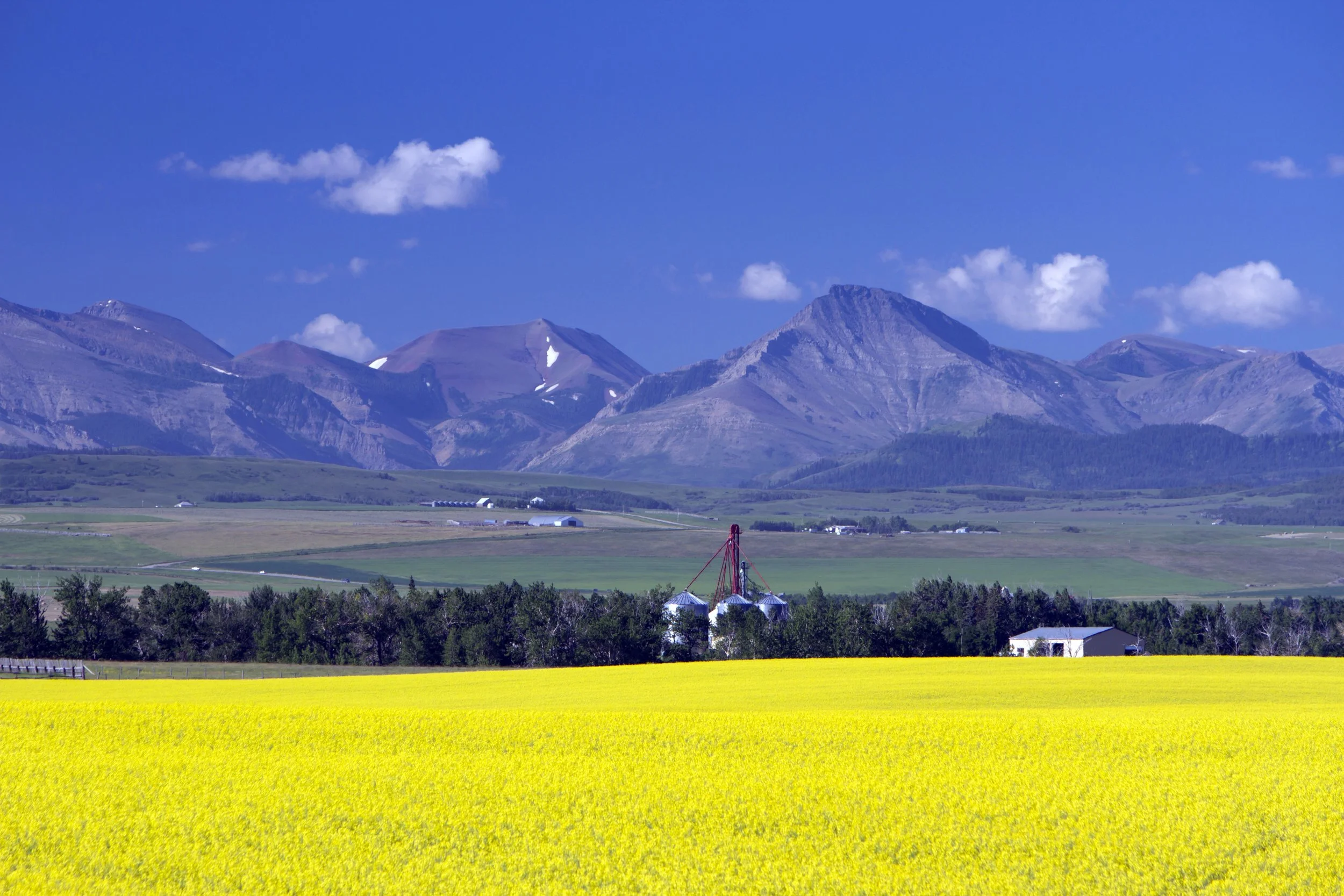


You can search Google Maps, unfold an Alberta road map, or follow the highways north of Edmonton, but you won’t find Coverville. Coverville is the fictional Alberta town I created for my novel, What Remains After. However, its feeling, its atmosphere, is not fictional. It grew out of the Alberta communities I’ve lived in, visited, and loved, particularly Onoway, Spirit River and Rycroft, and Millet.