What Revision Taught Me About Patience – Lessons from Revising a Novel
Please subscribe to my email newsletter for updates on my website and blog. You can do so in the sign-up block at the bottom of this page. Thank you!

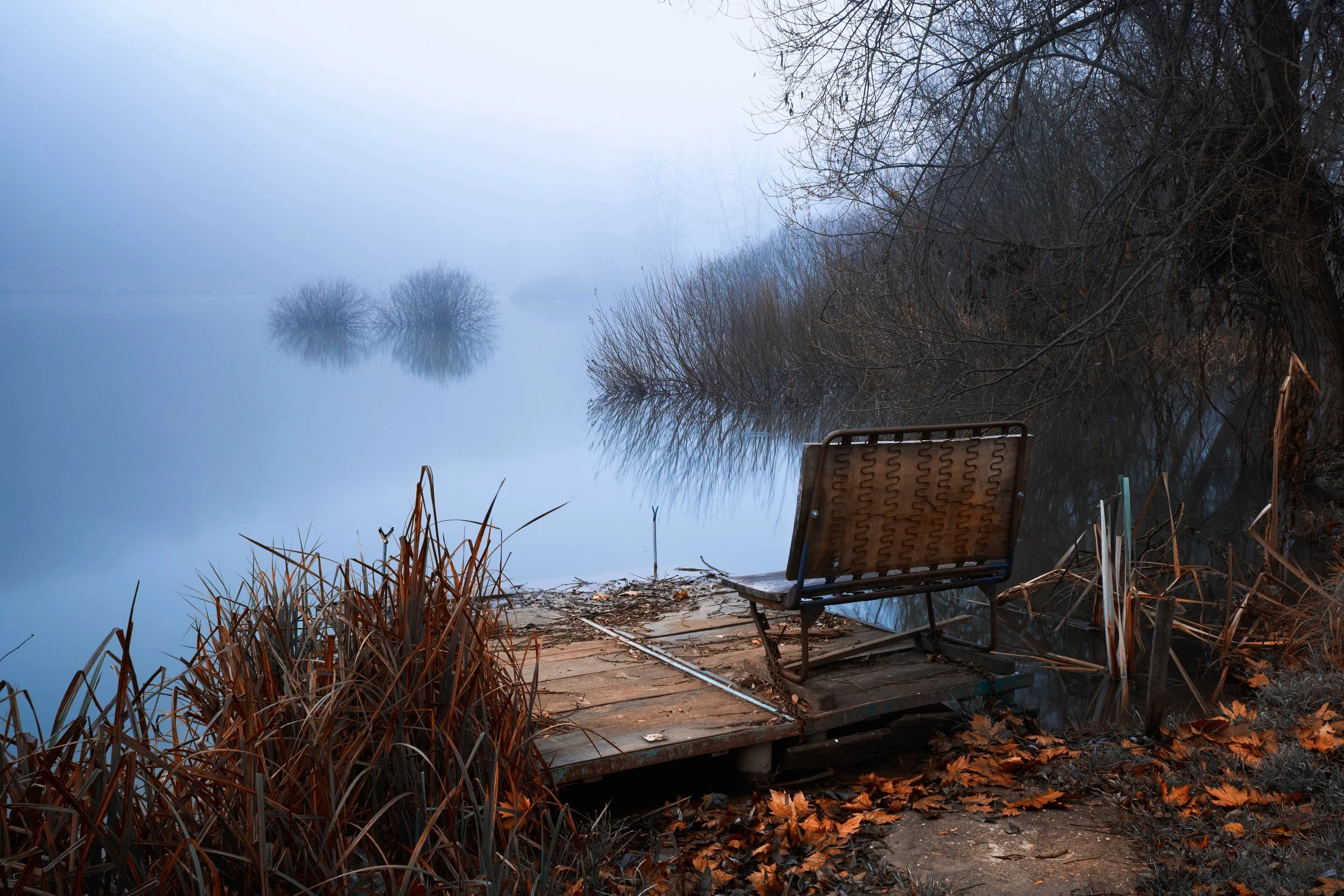
AI generated image.
What can revising a novel teach a writer? For many authors, the revision process is about more than fixing plot holes, improving dialogue, or polishing prose. It is a lesson in patience, growth, perseverance, and trust in the creative process. In this essay, I reflect on what revising my debut novel, What Remains After, taught me about first drafts, manuscript revision, and why beautiful stories are rarely written all at once.
The First Draft Is Only the Beginning
Most writers are eager to get the first draft down. The story has lived in their minds for weeks, months, or even years. During this time, settings grow from nothing into elaborate sets suitable for cinematic productions, and characters are not only fully visualized but are also talking to the writer, begging to be freed. Scenes unfold and merge into one another until the climactic moment that sends the writer's heart racing. Because of this, the writer feels a tremendous urgency to get it all onto the page (or computer screen, if you prefer).
Writing a first draft can feel exhilarating, but revision teaches a different lesson. It teaches patience. In this essay, I reflect on what revising What Remains After taught me about growth, discovery, and learning to trust the writing process. This was how I felt when I began writing What Remains After. It started as a series I created on my blog to attract readers, titled "Filling the Cracks." But before I wrote each week's episode, I was eager to see the story come to life. I realized I not only wanted it on my blog; I wanted a finished novel I could hold in my hands and share with the world.
What I got instead was a first draft.
Not that it wasn't important. The first draft is the first time a story exists outside the imagination. But like newborn babies, first drafts are seldom beautiful except to the parent (writer) who gave birth to them. (I should note that I think all newborn babies look like Winston Churchill. It's nothing personal.)
Why First Drafts Are Supposed to Be Messy
First drafts often disappoint us because they don't match the version of the story we imagined. Whether you are a careful Plotter or a carefree Pantser, scenes usually come out rough. Dialogue is often choppy or awkward. Pacing is uneven, and the prose lacks polish.
This is normal.
I think of first drafts as manure. No gardener displays manure proudly, but a healthy garden depends on it for nutrients. When soil is enriched with manure, strong, healthy produce grows. The purpose of the first draft is not perfection but existence. Revision taught me patience by forcing me to accept that growth takes time.
Revision Is a Process of Discovery
I thought I knew my story when I started writing it. In reality, I only knew part of it. I knew the general plot and the major events that had to take place to advance it. I knew many of the characters, though not as deeply as I would later.
However, the more often I stepped back, gained perspective, and returned to revise my manuscript, things emerged organically in ways I hadn't anticipated. Themes clarified and strengthened. Character motivations deepened or even changed. Some characters became superfluous and were removed, while others sprang up out of necessity. Connections among plot points, motifs, characters, and themes became visible. Questions I didn't know I was asking began to surface. Sometimes, the story knows more than the writer. Revision is a process of discovery. That discovery can't be rushed because there is something about time that nurtures growth.
Growth Happens One Draft at a Time
Stories mature the same way gardens do: in stages, over time.
In my case, I had the first draft. I sat back and didn't look at it for a couple of months. Then I read it again and found weaknesses, plot holes, pacing issues, and places where more conflict was needed. I wrote the second draft, making those changes. It was better, but not yet perfect. Next came developmental revisions. More pairs of eyes were needed to see the problems I was too close to the project to notice. Then I wrote another draft based on the suggestions of helpful others. After that came copy edits to correct grammar, spelling, and syntax. That was finally followed by proofreading. Every stage required a great deal of effort and time.
None of those improvements happened overnight. But each step was essential. Revision taught me that growth is gradual and that every draft contributes something necessary. What Remains After became stronger through these stages. At the same time, so did I.
Learning Patience Through Revision
The revision revealed weaknesses in my writing, skill set, and craft. At first, this was very discouraging. I beat myself up and called myself a pretender. Imposter syndrome was strong. Scenes needed rewriting. Chapters needed cutting. I had to "kill my darlings," as they say. Characters needed reworking or eliminating. Entire sections needed improvement. At the last minute, I had to add a new first and final chapter. I thought I was losing it.
But I learned that imperfection is not failure. Weaknesses in a draft are opportunities to improve. I discovered that I needed to be less concerned with getting everything right immediately. I had to trust the process. That lesson might be the hardest for any writer.
Trusting the Writing Process
Why? Because I think writers often want immediate results. I know I did. I wanted the beautiful garden without waiting for the sun and rain to do their work. I didn't want to do the hard, painful work of weeding out the weak and unnecessary, which were choking out the produce I wanted. Revision reminded me that worthwhile things take time, patience, and hard work.
Stories.
Healing.
Faith.
Growth.
They all require this. Many of life's most meaningful transformations happen slowly. Writing is no different. But it's important to understand that patience is not passive. Rather, it's the willingness to keep working even when growth is invisible.
The First Draft Gives a Story Life
The first draft of a story might be a giant pile of stinky manure. It may be messy and embarrassing, far from beautiful. But without that first draft, nothing can grow from it. So keep writing those ugly first drafts. Beautiful stories are not written all at once. They are cultivated and nurtured with time and patience.
The first draft gives a story life. Patience gives it the chance to grow into what it was always meant to be.
About What Remains After
Many of the lessons explored in this essay emerged while revising my debut novel, What Remains After.
Note: What Remains After is a literary psychological suspense novel set in rural Alberta that explores childhood trauma, faith, survival, truth-telling, and healing across two timelines. The novel is available now on Amazon in Canada and the United States.
Blessings,
Pauline J. Grabia
Stories of Consequence
Fiction that faces the dark, but ends in light.
FAQs:
Why are first drafts so messy?
First drafts are messy because their purpose is not perfection but discovery. They allow writers to move a story from imagination to reality, creating the raw material that revision will later shape into a stronger manuscript.
How many drafts does it take to write a novel?
There is no universal number. Some novels require only a few drafts, while others go through many rounds of revision, developmental editing, copy editing, and proofreading. Every story matures at its own pace.
Why is revision important in the writing process?
Revision helps writers identify weaknesses, strengthen character development, improve pacing, deepen themes, and clarify the story's emotional core. Many writers believe the real writing happens during revision.
What is the difference between drafting and revising?
Drafting focuses on creating the story. Revising focuses on improving it. The first draft asks, "What is the story?" Revision asks, "How can I tell this story more effectively?"
How do writers overcome perfectionism?
Many writers learn to view imperfection as part of the creative process rather than evidence of failure. Accepting that early drafts will be flawed allows room for growth and improvement during revision.
What is imposter syndrome for writers?
Imposter syndrome is the feeling that you are not a "real" writer or that your success is undeserved. It often appears during revision when weaknesses become visible, but it is a common experience among writers at every level.
How long should a writer wait before revising a manuscript?
Many writers find it helpful to step away from a manuscript for a few weeks or months before revising. Time creates emotional distance and allows the writer to return with fresh eyes.
What did revising What Remains After teach you?
Revision taught me patience. It reminded me that worthwhile things often grow slowly and that stories, like gardens, require time, care, and persistence before they become what they were meant to be.
Related Posts:




Have you ever finished a mystery story, admired the final twist, and then forgotten the story a few minutes later? How about a book you've read that you still remember years later? Perhaps you've gone back to it and read it repeatedly. What is the difference between these books that elicits such a different response?