How to Read What Remains After: A Literary Psychological Suspense Novel
Please subscribe to my email newsletter for updates on my website and blog. You can do so in the sign-up block at the bottom of this page. Thank you!
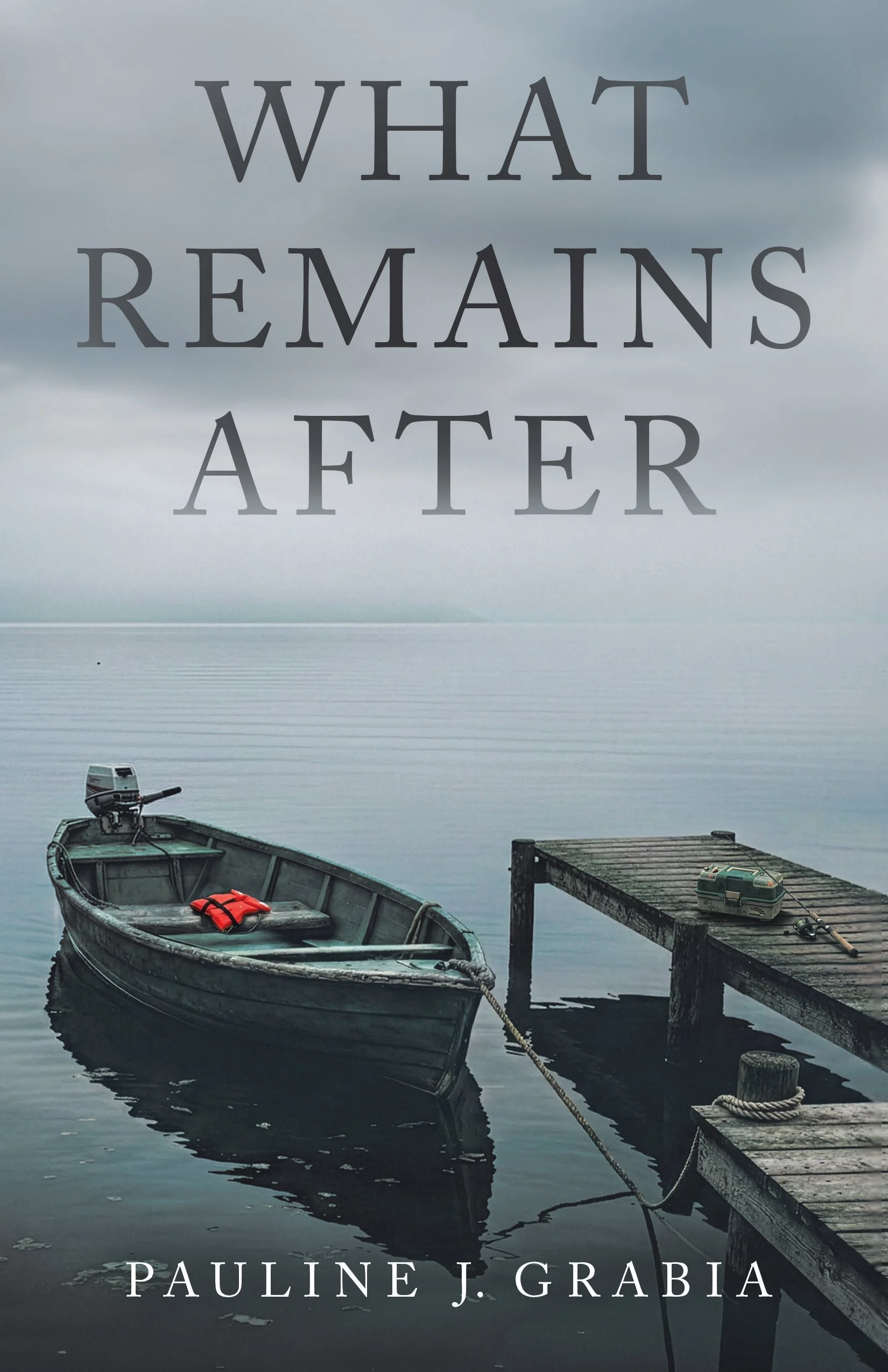
What Remains After is a literary psychological suspense novel by Canadian author Pauline J. Grabia. Set in rural Alberta, the story explores trauma, memory, moral consequence, and the long aftermath of survival through the lens of what I call Redemptive Realism.
In today’s world, people are busy. Life moves at a sprint for most of us, and when it comes to reading, we often only manage it in fragments—on our smartphones or tablets, through social media, or maybe the occasional blog. There’s an expectation that a story be easy to enter, quick to absorb, and just as easily set aside.
No judgment. I speak from personal experience.
It’s hard to find the time and mental capacity to settle into a deep read. Most of us read in the margins now—between appointments, before bed, in brief, distracted stretches.
A Different Kind of Reading Experience
But my novel, What Remains After, asks for something different.
It isn’t a breezy read for a quiet afternoon. It’s the kind of story that lingers, inviting you to sit with it for a while. It moves through difficult places—memory, loss, and the weight of what we carry—with care. Not to overwhelm, but to understand. Not to dwell in darkness, but to find what remains beyond it.
This is not a book to pass the time—it’s a book to spend time with.
A Story That Took Time to Be Told
For a long time, this story lived quietly on my desk—first as scribbled notes on scraps of paper, then as a handwritten outline I later typed into my laptop. I never originally intended to publish it, but as some stories do, it took on a life and direction of its own.
It is with no small disbelief that I can now share that What Remains After has entered distribution and is becoming available through online retailers like Amazon Canada and Amazon U.S., with Chapters/Indigo in Canada and Barnes & Noble in the United States to follow in the coming weeks.
I plan to work with small, local bookstores to establish consignment and have books on their shelves for sale. It is truly a dream come true, and I’m deeply grateful to God for the opportunity—and the responsibility.
The first few weeks of distribution can involve some uneven availability across platforms. That’s normal. If you look for the book and can’t find it right away, keep checking. It will be there.
How to Read What Remains After
So, what kind of reading does this novel invite?
I can offer a few suggestions.
First, read slowly.
I know—that’s not easy. But even if you only manage a few paragraphs at a time, let them land. Don’t rush the story.
Second, read attentively.
Notice what is said—and what isn’t. Pay attention to the emotional undercurrents. Step into the characters’ lives and experiences.
Third, read honestly.
Let the story connect to your own. Sit with what surfaces. Process.
What the Story Is Exploring
At its core, What Remains After explores memory—its reliability, its persistence, and its influence on the present.
It also examines trauma and its aftermath, not only for the person who experiences it but for those whose lives are shaped by it. The story follows the moral consequences of characters’ actions, often expressed through quiet choices rather than dramatic spectacle—much like real life.
This approach to storytelling is what I call Redemptive Realism. If you’d like to explore that idea further, I’ve written a series of essays on it, the first of which you can find here.
Not Escape, But Recognition
If you’re looking for light entertainment or easy escape, What Remains After may not be that kind of book.
But if you’re drawn to meaningful, intentional fiction—stories that linger and ask something of you—you may find something here worth staying for.
This is not escape; it’s recognition.
It’s not light, but it’s lasting.
And while it does not turn away from darkness, it never leaves the story there. It moves toward meaning, toward resolution, and ultimately, toward hope.
Always hope.
An Invitation to Begin
Readers who appreciate literary fiction, psychological suspense, trauma-informed storytelling, and emotionally reflective novels may find resonance in What Remains After.
If this is you, you can join my newsletter community here.
This is the beginning of the soft launch of What Remains After, and my deepest hope is that the story reaches those who need it. You can find it on Amazon Canada here.
If you do read the novel and it moves you, I would be grateful if you left an honest review on Amazon or Goodreads. That kind of support makes a meaningful difference.
Thank you for reading—and God bless.
Pauline J. Grabia
Stories of Consequence
Fiction that faces the dark but ends in light.
FAQs:
What genre is What Remains After?
What Remains After is a literary psychological suspense novel exploring trauma, memory, moral consequence, and hope.
Is What Remains After based on true events?
While fictional, the novel is emotionally grounded in real human experiences surrounding trauma, survival, and healing.
Where can I buy What Remains After?
The novel is currently entering distribution through Amazon, with broader availability expanding to additional retailers.
Related Posts:

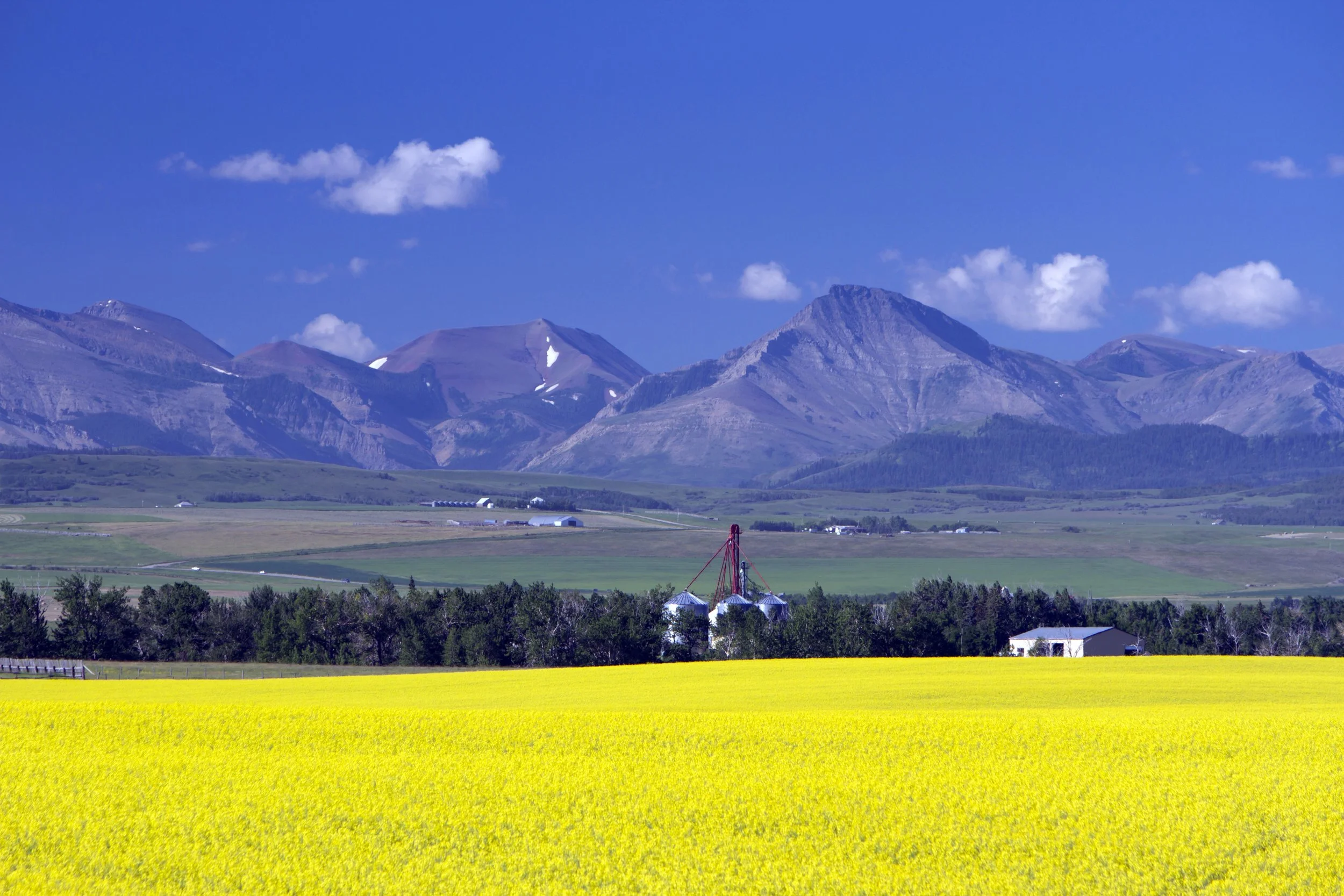

You can search Google Maps, unfold an Alberta road map, or follow the highways north of Edmonton, but you won’t find Coverville. Coverville is the fictional Alberta town I created for my novel, What Remains After. However, its feeling, its atmosphere, is not fictional. It grew out of the Alberta communities I’ve lived in, visited, and loved, particularly Onoway, Spirit River and Rycroft, and Millet.